

All of the research information you need when applying for mule deer in Colorado. From what's new, to how the draw process works and strategies no matter your point level. This is a must read article before you apply in Colorado

Season |
Dates |
Archery |
Sept. 2 to 30 |
Muzzleloader |
Sept. 12 to 20 |
Early rifle |
Sept. 12 to 20 (Some hunts have Sept. 5 to 13 dates, and some other hunts have Sept. 29 to Oct. 7 or even Oct. 1 to 7) |
Early Rifle |
Sept. 29 to Oct. 7 |
First rifle |
Oct. 14 to 18 |
Second rifle |
Oct. 24 to Nov. 1 |
Third rifle |
Nov. 7 to 15 |
Fourth rifle |
Nov. 18 to 23 |
Plains rifle |
Oct. 24 to Nov. 3 |
Season | Dates |
Archery | Sept. 2 to 30 |
Muzzleloader | Sept. 12 to 20 |
Early rifle | Sept. 12 to 20 (Some hunts have Sept. 5 to 13 dates, and some other hunts have Sept. 29 to Oct. 7 or even Oct. 1 to 7) |
Early Rifle | Sept. 29 to Oct. 7 |
First rifle | Oct. 14 to 18 |
Second rifle | Oct. 24 to Nov. 1 |
Third rifle | Nov. 7 to 15 |
Fourth rifle | Nov. 18 to 23 |
Plains rifle | Oct. 24 to Nov. 3 |
Item | Application fee (per species) |
|---|---|
Resident | $8.93 |
Nonresident | $11.49 |
Item | Qualifying license/annual small game hunting license |
Resident | $38.49 |
Nonresident | $104.86 |
Item | Youth qualifying license/ |
Resident | $2.53 |
Nonresident | $2.53 |
Item | Habitat stamp |
Resident | $12.76 |
Nonresident | $12.76 |
Item | Deer (Adult)* |
Resident | $51.25 |
Nonresident | $506.92 |
Item | Deer (Youth)* |
Resident | $20.30 |
Nonresident | $130.07 |
Item | Resident | Nonresident |
|---|---|---|
Application fee (per species) | $8.93 | $11.49 |
Qualifying license/annual small game hunting license | $38.49 | $104.86 |
Youth qualifying license/ | $2.53 | $2.53 |
Habitat stamp | $12.76 | $12.76 |
Deer (Adult)* | $51.25 | $506.92 |
Deer (Youth)* | $20.30 | $130.07 |
Season |
Dates |
Archery |
Sept. 2 to 30 |
Muzzleloader |
Sept. 12 to 20 |
Early rifle |
Sept. 12 to 20 (Some hunts have Sept. 5 to 13 dates, and some other hunts have Sept. 29 to Oct. 7 or even Oct. 1 to 7) |
Early Rifle |
Sept. 29 to Oct. 7 |
First rifle |
Oct. 14 to 18 |
Second rifle |
Oct. 24 to Nov. 1 |
Third rifle |
Nov. 7 to 15 |
Fourth rifle |
Nov. 18 to 23 |
Plains rifle |
Oct. 24 to Nov. 3 |
Season | Dates |
Archery | Sept. 2 to 30 |
Muzzleloader | Sept. 12 to 20 |
Early rifle | Sept. 12 to 20 (Some hunts have Sept. 5 to 13 dates, and some other hunts have Sept. 29 to Oct. 7 or even Oct. 1 to 7) |
Early Rifle | Sept. 29 to Oct. 7 |
First rifle | Oct. 14 to 18 |
Second rifle | Oct. 24 to Nov. 1 |
Third rifle | Nov. 7 to 15 |
Fourth rifle | Nov. 18 to 23 |
Plains rifle | Oct. 24 to Nov. 3 |
DAU* | 1 |
|---|---|
Herd Name | Little Snake |
Game Management Units Involved in 2024 | 1, 2, 0201 |
2024 Post Hunt Estimate | 1,460 |
2024 Buck:Doe Ratio (per 100) | 29 |
DAU* | 2 |
Herd Name | Bears Ears |
Game Management Units Involved in 2024 | 3, 4, 5, 14, 214, 301, 441 |
2024 Post Hunt Estimate | 21,330 |
2024 Buck:Doe Ratio (per 100) | 22 |
DAU* | 3 |
Herd Name | North Park |
Game Management Units Involved in 2024 | 6, 16, 17, 161, 171 |
2024 Post Hunt Estimate | 5,410 |
2024 Buck:Doe Ratio (per 100) | 36 |
DAU* | 4 |
Herd Name | Red Feather |
Game Management Units Involved in 2024 | 7, 8, 9, 19, 191 |
2024 Post Hunt Estimate | 12,320 |
2024 Buck:Doe Ratio (per 100) | 34 |
DAU* | 5 |
Herd Name | North Tablelands |
Game Management Units Involved in 2024 | 87, 88, 89, 90, 95 |
2024 Post Hunt Estimate | 1,820 |
2024 Buck:Doe Ratio (per 100) | 36 |
DAU* | 6 |
Herd Name | Rangely |
Game Management Units Involved in 2024 | 10 |
2024 Post Hunt Estimate | 870 |
2024 Buck:Doe Ratio (per 100) | 42 |
DAU* | 7 |
Herd Name | White River |
Game Management Units Involved in 2024 | 11, 12, 13, 22, 23, 24, 131, 211, 231 |
2024 Post Hunt Estimate | 23,520 |
2024 Buck:Doe Ratio (per 100) | 29 |
DAU* | 8 |
Herd Name | State Bridge |
Game Management Units Involved in 2024 | 15, 35, 36, 45 |
2024 Post Hunt Estimate | 12,920 |
2024 Buck:Doe Ratio (per 100) | 24 |
DAU* | 9 |
Herd Name | Middle Park |
Game Management Units Involved in 2024 | 18, 27, 28, 37, 181, 371 |
2024 Post Hunt Estimate | 8,560 |
2024 Buck:Doe Ratio (per 100) | 31 |
DAU* | 10 |
Herd Name | Big Thompson |
Game Management Units Involved in 2024 | 20 |
2024 Post Hunt Estimate | 8,740 |
2024 Buck:Doe Ratio (per 100) | 39 |
DAU* | 11 |
Herd Name | Bookcliffs |
Game Management Units Involved in 2024 | 21, 30 |
2024 Post Hunt Estimate | 7,500 |
2024 Buck:Doe Ratio (per 100) | 35 |
DAU* | 12 |
Herd Name | North Grand Mesa |
Game Management Units Involved in 2024 | 41, 42, 421 |
2024 Post Hunt Estimate | 16,730 |
2024 Buck:Doe Ratio (per 100) | 28 |
DAU* | 13 |
Herd Name | Maroon Bells |
Game Management Units Involved in 2024 | 43, 47, 471 |
2024 Post Hunt Estimate | 5,070 |
2024 Buck:Doe Ratio (per 100) | 26 |
DAU* | 14 |
Herd Name | Brush Creek |
Game Management Units Involved in 2024 | 44 |
2024 Post Hunt Estimate | 2,170 |
2024 Buck:Doe Ratio (per 100) | 37 |
DAU* | 15 |
Herd Name | Cottonwood Creek |
Game Management Units Involved in 2024 | 48, 56, 481, 561 |
2024 Post Hunt Estimate | 3,230 |
2024 Buck:Doe Ratio (per 100) | 23 |
DAU* | 16 |
Herd Name | Cripple Creek |
Game Management Units Involved in 2024 | 49, 57, 58, 581 |
2024 Post Hunt Estimate | 10,900 |
2024 Buck:Doe Ratio (per 100) | 24 |
DAU* | 17 |
Herd Name | Bailey |
Game Management Units Involved in 2024 | 39, 46, 51, 391, 461 |
2024 Post Hunt Estimate | 5,750 |
2024 Buck:Doe Ratio (per 100) | 28 |
DAU* | 18 |
Herd Name | Glade Park |
Game Management Units Involved in 2024 | 40 |
2024 Post Hunt Estimate | 4,070 |
2024 Buck:Doe Ratio (per 100) | 33 |
DAU* | 19 |
Herd Name | Uncompahgre |
Game Management Units Involved in 2024 | 61, 62 |
2024 Post Hunt Estimate | 12,850 |
2024 Buck:Doe Ratio (per 100) | 38 |
DAU* | 20 |
Herd Name | North Fork Gunnison River |
Game Management Units Involved in 2024 | 53,63 |
2024 Post Hunt Estimate | 8,140 |
2024 Buck:Doe Ratio (per 100) | 35 |
DAU* | 23 |
Herd Name | La Sal |
Game Management Units Involved in 2024 | 60 |
2024 Post Hunt Estimate | 1,930 |
2024 Buck:Doe Ratio (per 100) | 37 |
DAU* | 24 |
Herd Name | Groundhog |
Game Management Units Involved in 2024 | 70, 71, 711 |
2024 Post Hunt Estimate | 22,570 |
2024 Buck:Doe Ratio (per 100) | 33 |
DAU* | 26 |
Herd Name | Saguache |
Game Management Units Involved in 2024 | 68, 681, 682 |
2024 Post Hunt Estimate | 5,200 |
2024 Buck:Doe Ratio (per 100) | 25 |
DAU* | 27 |
Herd Name | Boulder |
Game Management Units Involved in 2024 | 29, 38 |
2024 Post Hunt Estimate | 6,260 |
2024 Buck:Doe Ratio (per 100) | 44 |
DAU* | 28 |
Herd Name | Arkansas River |
Game Management Units Involved in 2024 | 122, 125, 126, 127, 130, 132, 137, 138, 139, 146 |
2024 Post Hunt Estimate | 7,310 |
2024 Buck:Doe Ratio (per 100) | 28 |
DAU* | 29 |
Herd Name | Mesa Verde |
Game Management Units Involved in 2024 | 72, 73 |
2024 Post Hunt Estimate | 9,400 |
2024 Buck:Doe Ratio (per 100) | 33 |
DAU* | 30 |
Herd Name | San Juan |
Game Management Units Involved in 2024 | 75, 77, 78, 751, 771 |
2024 Post Hunt Estimate | 24,800 |
2024 Buck:Doe Ratio (per 100) | 32 |
DAU* | 32 |
Herd Name | Trinidad |
Game Management Units Involved in 2024 | 85, 140, 851 |
2024 Post Hunt Estimate | 7,910 |
2024 Buck:Doe Ratio (per 100) | 36 |
DAU* | 33 |
Herd Name | Mesa de Maya |
Game Management Units Involved in 2024 | 143, 144, 145 |
2024 Post Hunt Estimate | 1,900 |
2024 Buck:Doe Ratio (per 100) | 50 |
DAU* | 34 |
Herd Name | Wet Mountain |
Game Management Units Involved in 2024 | 69, 84, 86, 691, 861 |
2024 Post Hunt Estimate | 14,210 |
2024 Buck:Doe Ratio (per 100) | 34 |
DAU* | 35 |
Herd Name | Lower Rio Grande |
Game Management Units Involved in 2024 | 80, 81 |
2024 Post Hunt Estimate | 6,820 |
2024 Buck:Doe Ratio (per 100) | 28 |
DAU* | 36 |
Herd Name | Upper Rio Grande |
Game Management Units Involved in 2024 | 76, 79, 791 |
2024 Post Hunt Estimate | 2,830 |
2024 Buck:Doe Ratio (per 100) | 31 |
DAU* | 38 |
Herd Name | South Park |
Game Management Units Involved in 2024 | 50, 500, 501 |
2024 Post Hunt Estimate | 3,160 |
2024 Buck:Doe Ratio (per 100) | 26 |
DAU* | 40 |
Herd Name | Cimarron |
Game Management Units Involved in 2024 | 64, 65 |
2024 Post Hunt Estimate | 7,650 |
2024 Buck:Doe Ratio (per 100) | 29 |
DAU* | 41 |
Herd Name | Logan Mountain |
Game Management Units Involved in 2024 | 31, 32 |
2024 Post Hunt Estimate | 4,440 |
2024 Buck:Doe Ratio (per 100) | 24 |
DAU* | 42 |
Herd Name | Rifle Creek |
Game Management Units Involved in 2024 | 33 |
2024 Post Hunt Estimate | 5,610 |
2024 Buck:Doe Ratio (per 100) | 21 |
DAU* | 43 |
Herd Name | Sweetwater Creek |
Game Management Units Involved in 2024 | 25, 26, 34 |
2024 Post Hunt Estimate | 6,790 |
2024 Buck:Doe Ratio (per 100) | 18 |
DAU* | 44 |
Herd Name | South Platte River |
Game Management Units Involved in 2024 | 91, 92, 94, 96, 951 |
2024 Post Hunt Estimate | 3,530 |
2024 Buck:Doe Ratio (per 100) | 39 |
DAU* | 45 |
Herd Name | Las Animas |
Game Management Units Involved in 2024 | 128, 129, 133, 134, 135, 136, 141, 142, 147 |
2024 Post Hunt Estimate | 3,400 |
2024 Buck:Doe Ratio (per 100) | 31 |
DAU* | 46 |
Herd Name | Big Sandy |
Game Management Units Involved in 2024 | 107, 112, 113, 114, 115, 120, 121 |
2024 Post Hunt Estimate | 5,240 |
2024 Buck:Doe Ratio (per 100) | 68 |
DAU* | 47 |
Herd Name | South Republican |
Game Management Units Involved in 2024 | 103, 109, 116, 117 |
2024 Post Hunt Estimate | 3,860 |
2024 Buck:Doe Ratio (per 100) | 36 |
DAU* | 48 |
Herd Name | Chico Basin |
Game Management Units Involved in 2024 | 110, 111, 118, 119, 123, 124 |
2024 Post Hunt Estimate | 3,520 |
2024 Buck:Doe Ratio (per 100) | 17 |
DAU* | 49 |
Herd Name | Bijou Creek |
Game Management Units Involved in 2024 | 104, 105, 106 |
2024 Post Hunt Estimate | 5,620 |
2024 Buck:Doe Ratio (per 100) | 43 |
DAU* | 50 |
Herd Name | Rampart |
Game Management Units Involved in 2024 | 59, 511, 512, 591 |
2024 Post Hunt Estimate | 3,930 |
2024 Buck:Doe Ratio (per 100) | 29 |
DAU* | 51 |
Herd Name | South Grand Mesa |
Game Management Units Involved in 2024 | 52, 411, 521 |
2024 Post Hunt Estimate | 9,490 |
2024 Buck:Doe Ratio (per 100) | 32 |
DAU* | 52 |
Herd Name | Hermosa |
Game Management Units Involved in 2024 | 74, 741 |
2024 Post Hunt Estimate | 4,640 |
2024 Buck:Doe Ratio (per 100) | 30 |
DAU* | 53 |
Herd Name | Basalt |
Game Management Units Involved in 2024 | 444 |
2024 Post Hunt Estimate | 3,170 |
2024 Buck:Doe Ratio (per 100) | 25 |
DAU* | 54 |
Herd Name | South Tablelands |
Game Management Units Involved in 2024 | 93, 97, 98, 99, 100 |
2024 Post Hunt Estimate | 3,470 |
2024 Buck:Doe Ratio (per 100) | 35 |
DAU* | 55 |
Herd Name | Arickaree |
Game Management Units Involved in 2024 | 101, 102 |
2024 Post Hunt Estimate | 2,160 |
2024 Buck:Doe Ratio (per 100) | 35 |
DAU* | 56 |
Herd Name | Sand Dunes |
Game Management Units Involved in 2024 | 82, 83 |
2024 Post Hunt Estimate | 3,560 |
2024 Buck:Doe Ratio (per 100) | 29 |
DAU* | 57 |
Herd Name | Gunnison Basin |
Game Management Units Involved in 2024 | 54, 55, 66, 67, 551 |
2024 Post Hunt Estimate | 16,360 |
2024 Buck:Doe Ratio (per 100) | 37 |
DAU* | Herd Name | Game Management Units Involved in 2024 | 2024 Post Hunt Estimate | 2024 Buck:Doe Ratio (per 100) |
|---|---|---|---|---|
1 | Little Snake | 1, 2, 0201 | 1,460 | 29 |
2 | Bears Ears | 3, 4, 5, 14, 214, 301, 441 | 21,330 | 22 |
3 | North Park | 6, 16, 17, 161, 171 | 5,410 | 36 |
4 | Red Feather | 7, 8, 9, 19, 191 | 12,320 | 34 |
5 | North Tablelands | 87, 88, 89, 90, 95 | 1,820 | 36 |
6 | Rangely | 10 | 870 | 42 |
7 | White River | 11, 12, 13, 22, 23, 24, 131, 211, 231 | 23,520 | 29 |
8 | State Bridge | 15, 35, 36, 45 | 12,920 | 24 |
9 | Middle Park | 18, 27, 28, 37, 181, 371 | 8,560 | 31 |
10 | Big Thompson | 20 | 8,740 | 39 |
11 | Bookcliffs | 21, 30 | 7,500 | 35 |
12 | North Grand Mesa | 41, 42, 421 | 16,730 | 28 |
13 | Maroon Bells | 43, 47, 471 | 5,070 | 26 |
14 | Brush Creek | 44 | 2,170 | 37 |
15 | Cottonwood Creek | 48, 56, 481, 561 | 3,230 | 23 |
16 | Cripple Creek | 49, 57, 58, 581 | 10,900 | 24 |
17 | Bailey | 39, 46, 51, 391, 461 | 5,750 | 28 |
18 | Glade Park | 40 | 4,070 | 33 |
19 | Uncompahgre | 61, 62 | 12,850 | 38 |
20 | North Fork Gunnison River | 53,63 | 8,140 | 35 |
23 | La Sal | 60 | 1,930 | 37 |
24 | Groundhog | 70, 71, 711 | 22,570 | 33 |
26 | Saguache | 68, 681, 682 | 5,200 | 25 |
27 | Boulder | 29, 38 | 6,260 | 44 |
28 | Arkansas River | 122, 125, 126, 127, 130, 132, 137, 138, 139, 146 | 7,310 | 28 |
29 | Mesa Verde | 72, 73 | 9,400 | 33 |
30 | San Juan | 75, 77, 78, 751, 771 | 24,800 | 32 |
32 | Trinidad | 85, 140, 851 | 7,910 | 36 |
33 | Mesa de Maya | 143, 144, 145 | 1,900 | 50 |
34 | Wet Mountain | 69, 84, 86, 691, 861 | 14,210 | 34 |
35 | Lower Rio Grande | 80, 81 | 6,820 | 28 |
36 | Upper Rio Grande | 76, 79, 791 | 2,830 | 31 |
38 | South Park | 50, 500, 501 | 3,160 | 26 |
40 | Cimarron | 64, 65 | 7,650 | 29 |
41 | Logan Mountain | 31, 32 | 4,440 | 24 |
42 | Rifle Creek | 33 | 5,610 | 21 |
43 | Sweetwater Creek | 25, 26, 34 | 6,790 | 18 |
44 | South Platte River | 91, 92, 94, 96, 951 | 3,530 | 39 |
45 | Las Animas | 128, 129, 133, 134, 135, 136, 141, 142, 147 | 3,400 | 31 |
46 | Big Sandy | 107, 112, 113, 114, 115, 120, 121 | 5,240 | 68 |
47 | South Republican | 103, 109, 116, 117 | 3,860 | 36 |
48 | Chico Basin | 110, 111, 118, 119, 123, 124 | 3,520 | 17 |
49 | Bijou Creek | 104, 105, 106 | 5,620 | 43 |
50 | Rampart | 59, 511, 512, 591 | 3,930 | 29 |
51 | South Grand Mesa | 52, 411, 521 | 9,490 | 32 |
52 | Hermosa | 74, 741 | 4,640 | 30 |
53 | Basalt | 444 | 3,170 | 25 |
54 | South Tablelands | 93, 97, 98, 99, 100 | 3,470 | 35 |
55 | Arickaree | 101, 102 | 2,160 | 35 |
56 | Sand Dunes | 82, 83 | 3,560 | 29 |
57 | Gunnison Basin | 54, 55, 66, 67, 551 | 16,360 | 37 |
Unit |
Trophy potential |
Best seasons in the unit |
44 |
190”+ |
All rifle seasons are great. |
66 |
190”+ |
All seasons are great. |
55 |
190”+ |
The archery and muzzleloader are great in the higher elevation. Fourth rifle is also great. |
67 |
190”+ |
All seasons are great. |
10 |
180”+ |
All seasons can be great, but gets better with the rifle seasons. |
21 |
180”+ |
All seasons can be great, but gets better with the rifle seasons. |
40 |
180”+ |
All rifle seasons are great. |
54 |
180”+ |
Third and fourth rifle are better in this unit. |
53 |
180”+ |
Third and fourth rifle are better in this unit. |
22 |
180”+ |
Third and fourth rifle are better in this unit. |
61 |
180”+ |
All seasons are great. |
68/681/682 |
180”+ |
Third and fourth rifle are better in this unit. |
551 |
180”+ |
Third and fourth rifle are better in this unit. |
65 |
180”+ |
Early September rifle is a great season. |
Unit | Trophy potential | Best seasons in the unit |
44 | 190”+ | All rifle seasons are great. |
66 | 190”+ | All seasons are great. |
55 | 190”+ | The archery and muzzleloader are great in the higher elevation. Fourth rifle is also great. |
67 | 190”+ | All seasons are great. |
10 | 180”+ | All seasons can be great, but gets better with the rifle seasons. |
21 | 180”+ | All seasons can be great, but gets better with the rifle seasons. |
40 | 180”+ | All rifle seasons are great. |
54 | 180”+ | Third and fourth rifle are better in this unit. |
53 | 180”+ | Third and fourth rifle are better in this unit. |
22 | 180”+ | Third and fourth rifle are better in this unit. |
61 | 180”+ | All seasons are great. |
68/681/682 | 180”+ | Third and fourth rifle are better in this unit. |
551 | 180”+ | Third and fourth rifle are better in this unit. |
65 | 180”+ | Early September rifle is a great season. |
Points |
Resident |
Nonresident |
37 |
1 |
0 |
36 |
1 |
1 |
35 |
0 |
2 |
34 |
1 |
3 |
33 |
4 |
3 |
32 |
5 |
10 |
31 |
29 |
17 |
30 |
29 |
40 |
29 |
54 |
60 |
28 |
59 |
113 |
27 |
75 |
135 |
26 |
84 |
167 |
25 |
102 |
189 |
24 |
128 |
225 |
23 |
189 |
311 |
22 |
196 |
310 |
21 |
248 |
454 |
20 |
280 |
523 |
19 |
274 |
622 |
18 |
336 |
739 |
17 |
334 |
687 |
16 |
401 |
778 |
15 |
444 |
816 |
14 |
524 |
888 |
13 |
634 |
947 |
12 |
678 |
1049 |
11 |
832 |
1206 |
10 |
1041 |
1475 |
9 |
1266 |
2045 |
8 |
1510 |
3445 |
7 |
1781 |
4143 |
6 |
2416 |
5160 |
5 |
3318 |
7073 |
4 |
4661 |
9333 |
3 |
8225 |
12632 |
2 |
13326 |
15878 |
1 |
26205 |
22878 |
Points | Resident | Nonresident |
37 | 1 | 0 |
36 | 1 | 1 |
35 | 0 | 2 |
34 | 1 | 3 |
33 | 4 | 3 |
32 | 5 | 10 |
31 | 29 | 17 |
30 | 29 | 40 |
29 | 54 | 60 |
28 | 59 | 113 |
27 | 75 | 135 |
26 | 84 | 167 |
25 | 102 | 189 |
24 | 128 | 225 |
23 | 189 | 311 |
22 | 196 | 310 |
21 | 248 | 454 |
20 | 280 | 523 |
19 | 274 | 622 |
18 | 336 | 739 |
17 | 334 | 687 |
16 | 401 | 778 |
15 | 444 | 816 |
14 | 524 | 888 |
13 | 634 | 947 |
12 | 678 | 1049 |
11 | 832 | 1206 |
10 | 1041 | 1475 |
9 | 1266 | 2045 |
8 | 1510 | 3445 |
7 | 1781 | 4143 |
6 | 2416 | 5160 |
5 | 3318 | 7073 |
4 | 4661 | 9333 |
3 | 8225 | 12632 |
2 | 13326 | 15878 |
1 | 26205 | 22878 |
Points |
Resident |
Nonresident |
36 |
1 |
0 |
35 |
1 |
1 |
34 |
0 |
2 |
33 |
1 |
3 |
32 |
4 |
3 |
31 |
5 |
9 |
30 |
22 |
16 |
29 |
28 |
38 |
28 |
48 |
58 |
27 |
48 |
98 |
26 |
63 |
118 |
25 |
75 |
155 |
24 |
87 |
168 |
23 |
114 |
198 |
22 |
151 |
268 |
21 |
171 |
272 |
20 |
208 |
384 |
19 |
217 |
452 |
18 |
219 |
553 |
17 |
270 |
646 |
16 |
280 |
580 |
15 |
338 |
687 |
14 |
377 |
725 |
13 |
444 |
780 |
12 |
529 |
820 |
11 |
540 |
934 |
10 |
675 |
1046 |
9 |
854 |
1294 |
8 |
1022 |
1788 |
7 |
1282 |
3023 |
6 |
1478 |
3592 |
5 |
1848 |
4422 |
4 |
2477 |
6001 |
3 |
3152 |
7851 |
2 |
4185 |
10073 |
1 |
5211 |
11583 |
0 |
6811 |
14928 |
Points | Resident | Nonresident |
36 | 1 | 0 |
35 | 1 | 1 |
34 | 0 | 2 |
33 | 1 | 3 |
32 | 4 | 3 |
31 | 5 | 9 |
30 | 22 | 16 |
29 | 28 | 38 |
28 | 48 | 58 |
27 | 48 | 98 |
26 | 63 | 118 |
25 | 75 | 155 |
24 | 87 | 168 |
23 | 114 | 198 |
22 | 151 | 268 |
21 | 171 | 272 |
20 | 208 | 384 |
19 | 217 | 452 |
18 | 219 | 553 |
17 | 270 | 646 |
16 | 280 | 580 |
15 | 338 | 687 |
14 | 377 | 725 |
13 | 444 | 780 |
12 | 529 | 820 |
11 | 540 | 934 |
10 | 675 | 1046 |
9 | 854 | 1294 |
8 | 1022 | 1788 |
7 | 1282 | 3023 |
6 | 1478 | 3592 |
5 | 1848 | 4422 |
4 | 2477 | 6001 |
3 | 3152 | 7851 |
2 | 4185 | 10073 |
1 | 5211 | 11583 |
0 | 6811 | 14928 |
If you are interested in some of the best mule deer hunts that the West has to offer, then Colorado should be on your radar. Regardless of weapon type or season, the potential to find something spectacular is always there. The application deadline for all Colorado species is 8:00 p.m. MT on April 7, 2026.
Colorado is a fairly easy state to apply in for hunts. You will have to create an online account if you have not previously done so. Or you can call 1-800-244-5613 for help getting an account.
Note: The application deadline for all Colorado species is 8:00 p.m. MT on April 7, 2026. You can apply online here.
The Parks and Wildlife Commission approved policy recommendations from the appointed Draw Process Working Group to reduce complexities within Colorado’s draw system and address preference point issues. The updated draw policy will go into effect in 2028. See the updated policy at: cpw.state.co.us/2028-draw.
The big question remains... what should you do with your deer points in 2026 and 2027? If you have low points, do you burn now or wait? If you have high points, do you burn now before your points are not in a sense worth as much?
To aid your research and planning, we have a tool called Hunt Planner. This product will help you plan hunts more efficiently and keep all your research data organized. No more notepads getting lost or headaches when trying to remember what units caught your eye during your research! Everything you need is always in one place at GOHUNT.
Your GOHUNT Insider account also has the Point Tracker feature. This allows you to enter the number of points you have for each state and species, and as you research through Filtering and Draw Odds, your point total will automatically be highlighted.
To view important information and an overview of Colorado’s rules/regulations, the draw system and preference points, tag and license fees, and an interactive boundary line map, check out our State Profile. You can also view the Species Profiles to access historical and statistical data to help you find trophy units.
Note: Be aware that some units may have slightly different dates. Review the CPW brochure for details of the hunts you plan to apply for.
Be sure to check out the great article linked below, which walks through the season date changes and how they might impact your application decisions moving forward.
*Deer license cost will only be charged if you are successful in the draw.
Unless there is an insufficient number of resident applications, nonresident hunters shall receive no more than 25% of available deer, elk, bear and antelope licenses for hunt codes requiring fewer than six preference points for resident hunters to draw in the regular drawing and no more than 20% of available deer, elk, bear and antelope licenses for hunt codes requiring six or more preference points for resident hunters to draw in the regular drawing as calculated using a rolling three-year average for the previous three limited license draws with a one year lag.
Nonresident allocations may increase if licenses remain after all Colorado resident first choices have been drawn for that hunt code.
Colorado utilizes a true preference point system to allocate deer licenses. This means that the applicants with the most preference points who apply for any given hunt will draw the licenses. There is no random draw for licenses. There are also no over-the-counter mule deer licenses in Colorado.
Applicants will gain one preference point for every year they apply for a hunt and are unsuccessful in drawing their first choice.
If applicants want to build preference points only, they can use the preference point-only code as their first choice.
Deer preference point only code: D-P-999-99-P
Applicants can draw a hunt as a second, third, or fourth choice and still build a preference point for that year (Note: Drawing a second, third, or fourth choice will not burn your points). You cannot build more than one preference point per year. If you draw your first hunt choice, your preference points will be purged.
If you fail to apply for a species or have not purchased a license for 10 consecutive years, then all accumulated preference points for that species will be purged.
Colorado allows applicants to select up to four hunt choices for deer. Colorado considers every applicant's first choice before moving to subsequent choices. In essence, in order to draw a license as a second choice, there must be a surplus of permits after every applicant's first choice is considered, and so on and so forth throughout the other choices. As previously stated, you may be able to draw some hunts as a second choice while using the preference point code as your first choice. This would allow you to build a point for future years and also draw the second choice hunt.
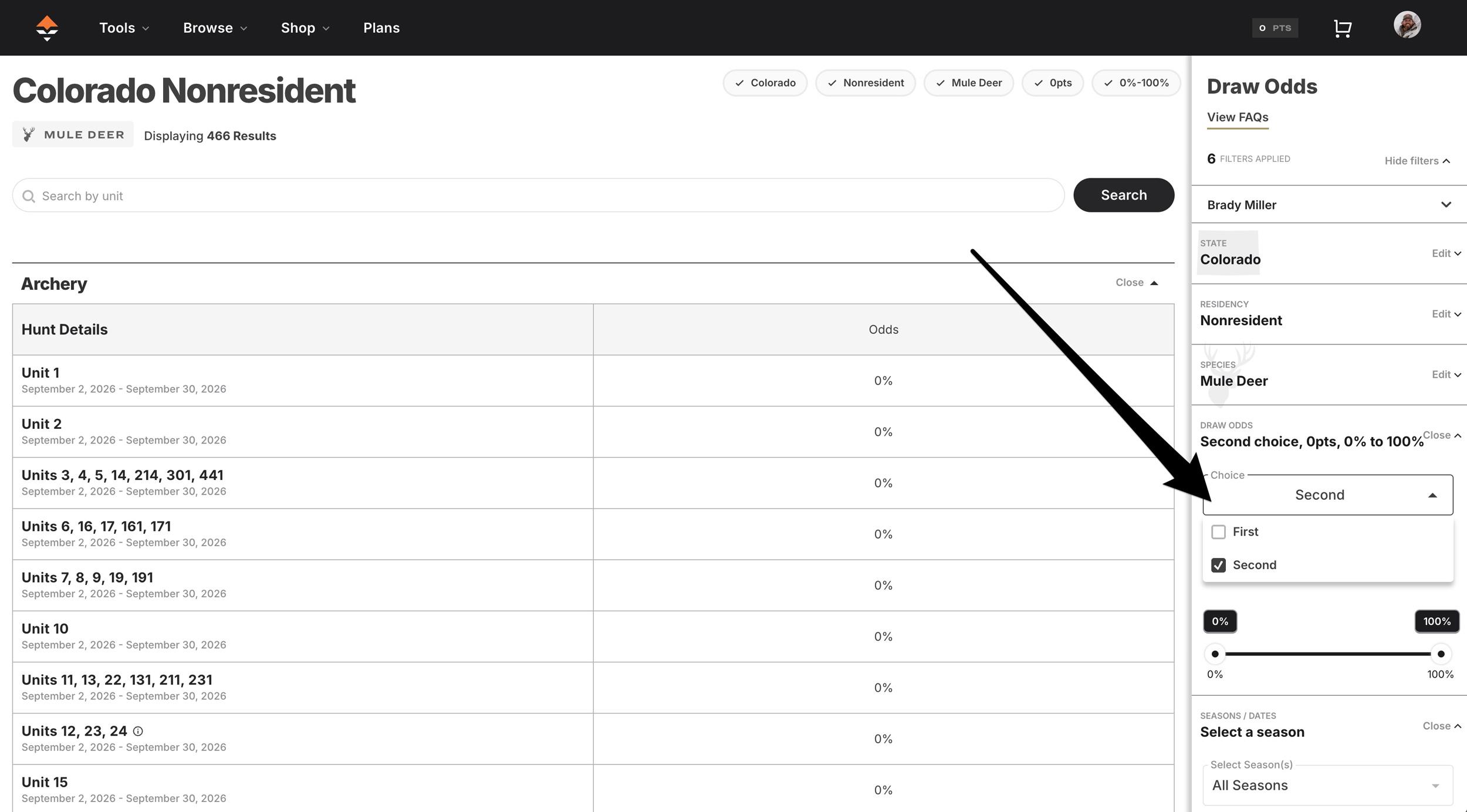
You can explore the odds of drawing as a second choice within your Insider account. Simply change the “choice” filter from first to second, and you can see all the hunt odds of drawing as a second choice.
Group applications of any number are accepted for deer. Residents and nonresidents can apply together. When a resident and nonresident apply together on a group application, the nonresident license comes out of the nonresident quota for that hunt. One person must be the group leader, and all applications in that group are linked together with that group leader’s CID number. Every member of the group must apply for the same hunt at each choice. The group application will go into the draw with the lowest number of preference points of any single member of the group. This means that if a group of three applies and they have one, seven, and 12 points, the application will go into the draw with one point.
CPW will not over-allocate licenses to cover a group application if there are not enough licenses left. For example, if there were two licenses left and an application for a group of three was selected, they would reject that application and move to the next applicant.
Licenses remaining after the primary drawing will be available in a secondary drawing. The secondary drawing is open to anyone — whether they applied in the primary drawing or not. Applicants must have purchased a qualifying license to apply for the secondary draw. The secondary draw does not use preference points, and you cannot apply for preference points. The secondary drawing is random.
The timeframe to apply in the second drawing is June 18 to 30, 2026, at 8 p.m. MT.
Youth ages 12 to 17 receive priority for all licenses that make it to the second draw.
Draw results for the secondary drawing will be available on July 7. The surrender deadline for the secondary drawing is July 9.
Colorado allows applicants who have drawn a license to return it if they do not want it. There will be a timeframe after the draw where applicants can refuse the license and have their points restored to the pre-draw level. Applicants can also choose to pay for the license and return it at a later date as long as it’s done at least 30 days prior to the hunt. In this case, they can choose to receive a refund for the cost of the license or have their preference points reinstated to a pre-draw level. Note: If you have your points reinstated, you will not receive a point for that year's application.
Any returned or leftover licenses after the secondary draw will be reissued via a first-come, first-served process starting on Aug. 4, 2026, at 9 a.m. MT. The leftover list will be made available in late July.
Beyond Aug. 4, every Tuesday at 11:00 a.m., all reissued licenses will be placed on a list and published on the CPW website for customers to review. The following day, Wednesday at 11:00 a.m., those licenses will be sold on a first come, first served basis. Reissued licenses can be purchased online or in-person at CPW offices or other license agents.
Note: Be aware that some units may have slightly different dates. Review the CPW brochure and season dates on Filtering for details of the hunts you plan to apply for.
The land of mule deer! Colorado offers a mule deer season for pretty much any hunter’s preference. From late-season middle-of-the-rut rifle hunts to high-country September archery hunts — and pretty much everything in between. As well as adding quite a few first-season rifle deer hunts.
Archery
The September archery seasons offer the first opportunity to hunt for a buck. Many of these permits are either-sex, making them a great choice for first-time archers looking to fill a tag. In many units, deer will be found at higher elevations—often above timberline—throughout most of the season. However, be aware that there will typically be a significant number of archery elk hunters in the field during this time. Additionally, muzzleloader and early rifle hunters are likely to be in the area, especially in units that offer those seasons. Archery seasons provide a great way to access some of the better units with fewer points.
Early rifle
If you're considering early rifle seasons, 2026 is your year! Due to the way the calendar aligns and the scheduling of these seasons, you'll be hunting in most units a week before the muzzleloader hunters and just a few days after the archery season begins. These are typically high country, backpack-style hunts in early September when deer are still following their summer patterns — and you'll have a rifle in hand. With limited permits, favorable season dates, we expect these seasons to be more prone to point creep. As a result, they may require one or two more points to draw compared to the previous year.
Muzzleloader
The muzzleloader seasons take place in mid-September, around the time when bucks are beginning to shed their velvet. In most units, they are still found at higher elevations, though a few units may have resident deer in lower sage and pinion/juniper areas. These seasons overlap with the archery deer and elk seasons, so certain areas may experience higher levels of crowding.
First rifle The first rifle seasons that they have slated for the 2026 season might be something to look into. The season runs right in the middle of October, which is, by far, the most difficult time of year to hunt mule deer due to the moon phases and already being pushed around during the earlier hunting seasons. However, it is still worth looking into if a backpack-style hunt is what you are after. You get first crack at those bucks before they completely leave the high country.
Second and third rifle
The second and third rifle seasons offer excellent hunting opportunities. The second season has become a tougher hunt in recent years. Despite decent weather, rut activity has been lackluster and, while harvest numbers remain steady, older age-class deer have either been scarce or not showing up during this time. The third season, on the other hand, remains a fantastic hunt as the rut kicks into full gear and bucks are active throughout the day. In the top units across the state, there are plenty of bucks, but mature, older deer tend to be rare.
Fourth rifle
The coveted fourth rifle season has traditionally fallen around Thanksgiving from 2021 to 2023, offering an excellent hunting experience. This year, it takes place the week before, but it will still coincide with impressive rut activity. Keep in mind, however, that many seasons and hunters will have already harvested deer by the time this season arrives. Despite that, the fourth rifle season remains one of the most incredible opportunities to hunt mule deer in Colorado.
There is no doubt that some big changes have been made and are still to come to this great mule deer state. Wolves have been and, unfortunately, it seems they will continue to be transplanted into various parts of the western slope. Time will tell what impact that will have on wildlife across the landscape.
Colorado changed the nonresident cap from up to 35% of permits down to up to 25% of permits for the majority of the hunts, and this has impacted the number of points required to draw some permits.
There are committees formed and discussions happening about changing the point system — and, as you can tell, they decided to remove most of the OTC elk tags. The five-year season structure was updated recently and we are now on the second year of this five-year season structure. There will be a lot of changes for the better in Colorado in the coming years.
Even so, Colorado is still one of the best states to hunt mule deer and is still a must-apply state. Even with one of the lowest overall mule deer populations recorded in recent history, it still holds plenty of mule deer and offers more opportunities to hunt them than almost any other state in the West.
In 2020, Colorado moved all of their rifle seasons later into the year, giving all rifle seasons some rut activity for the most part. Third and, more particularly, fourth rifle season landed in the peak of the rut. It was a great time to be in the field; however, with bucks being more prone to harvest, the upper age classes have taken a hit. Your top-tier units with very limited tags are still producing great deer and should continue to do so. The mid- to lower-tier units that most of us chose to hunt just don’t have the number of mature bucks that they did only a few years ago. There will always be a great buck in pretty much any unit in Colorado — the rugged remote terrain and vegetation will always allow for it — but there’s just not as many surviving through the rut hunts.
Colorado, in my opinion, is still the king of mule deer. It’s a state where I try to find myself chasing deer every fall. There is ample opportunity and there’s always a chance you're in the right place at the right time to find a world-class buck.
In 2024, Colorado implemented some changes to the percentage of tags that they offer to nonresidents for some hunts. Going from up to 35% of permits to down to 25% of permits, we saw an increase in point creep for a lot of those hunts. It’s more important this year than ever to understand how and why point creep happens.
Point creep is the single biggest point of confusion for most applicants.
Simply explained: point creep occurs when the number of tags available doesn't meet the demand — AKA the number of applicants each year. Thus, the point value that it takes to draw the license keeps creeping upward. This is an issue primarily in true preference point states like Colorado where the applicants with the most points who apply for any given hunt are guaranteed the licenses. In addition, applicants who have been banking points or applying for other hunts can decide to apply for another hunt that requires fewer points and draw a permit that was available previously at a lower point total.
Prior to applying, I cannot stress enough the importance of looking at the detailed draw odds pages for the hunts you are interested in.
These pages can be found for each hunt by visiting the main “Draw Odds” page, selecting Colorado, mule deer, and your residency. That will show you the odds for every hunt offered in the state for all weapon types. You can further filter on the right side of the page for the weapon or season you are looking for.
You can also filter by draw odds: 0% to 100%. After you have scanned the hunts and selected some that you are interested in, you can click on the individual hunt on our Unit Profiles by clicking on the unit name.
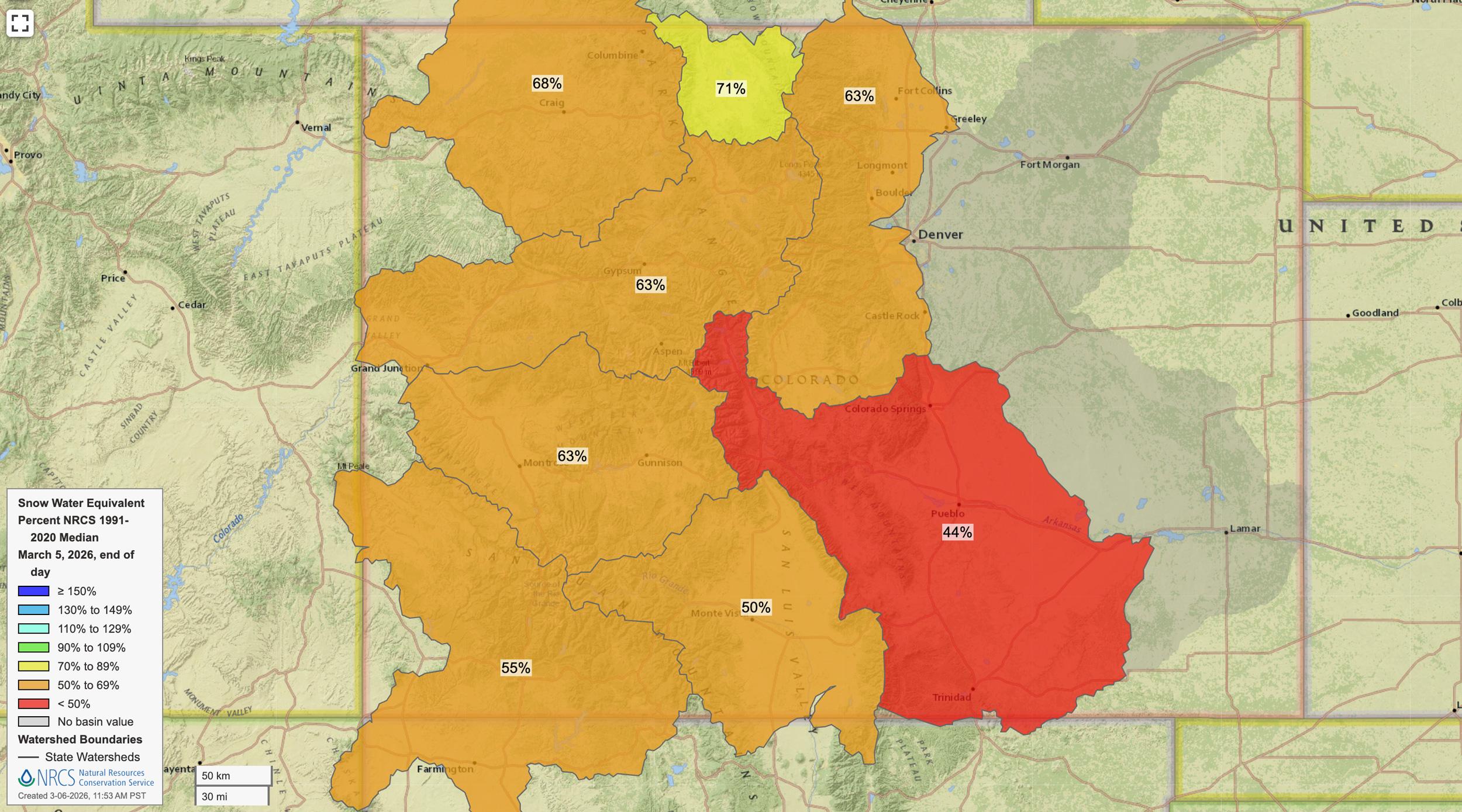
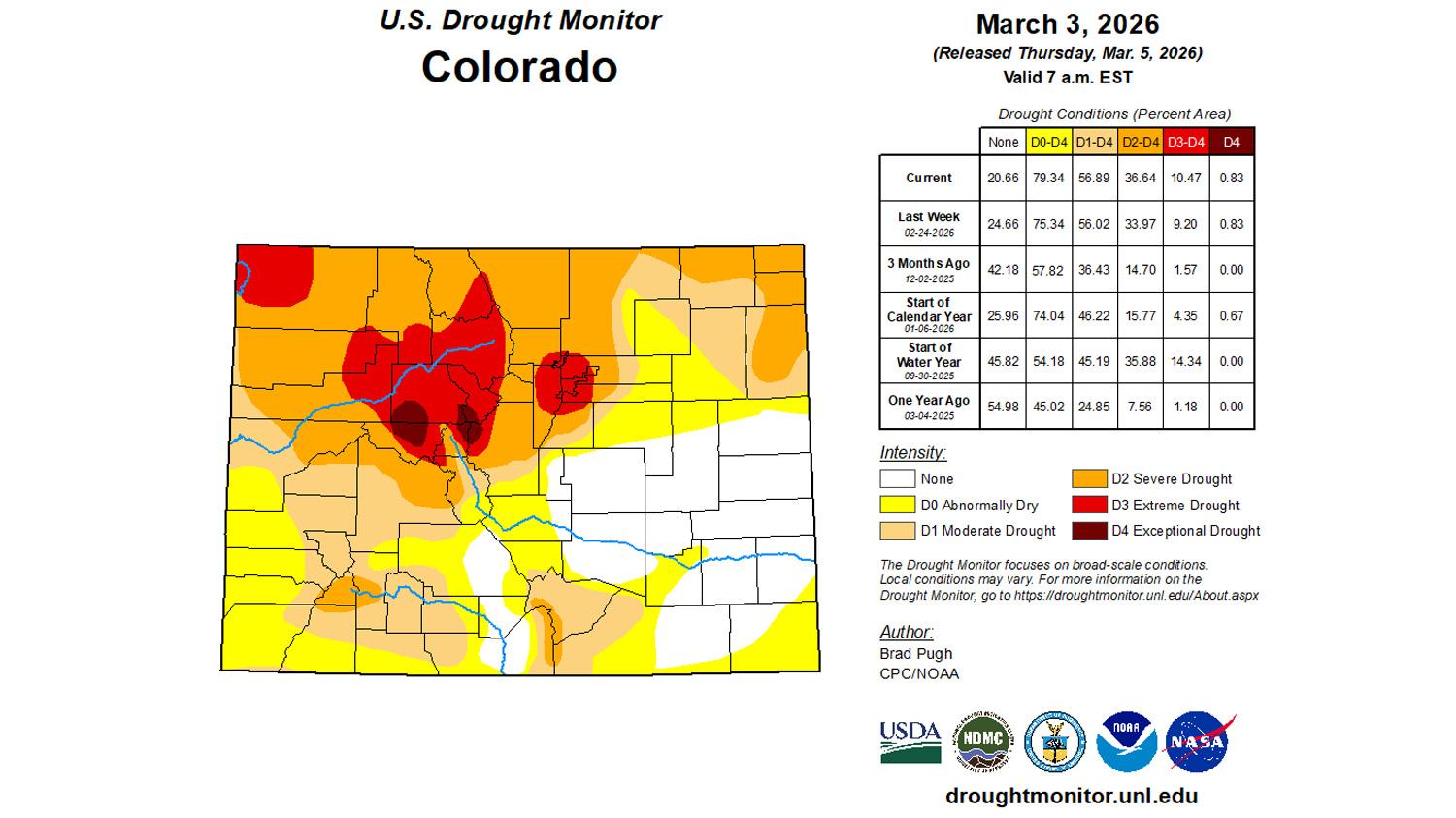
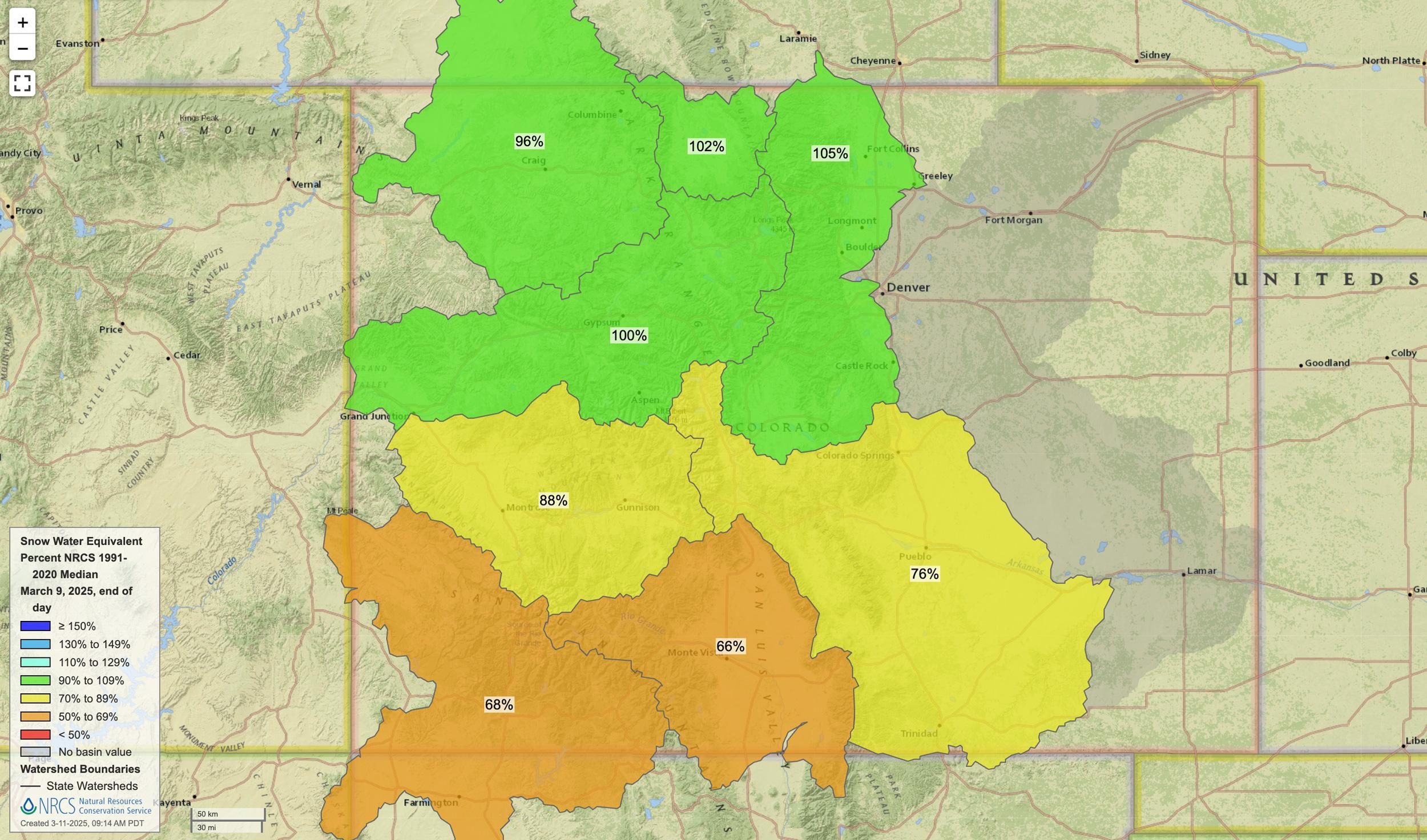
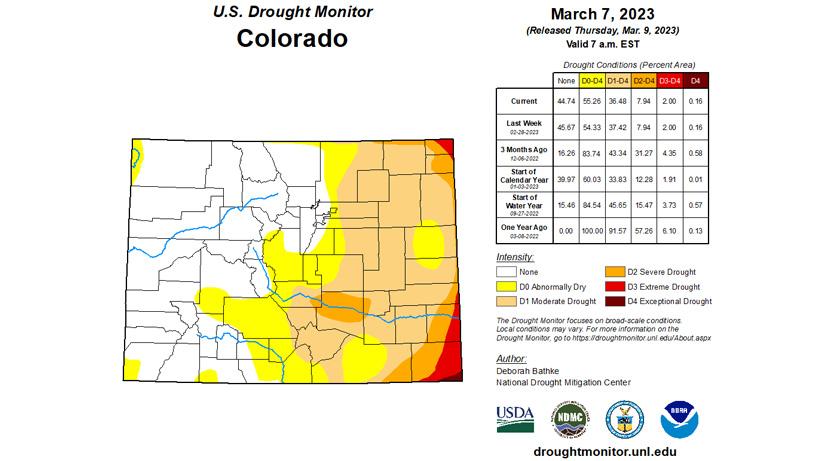
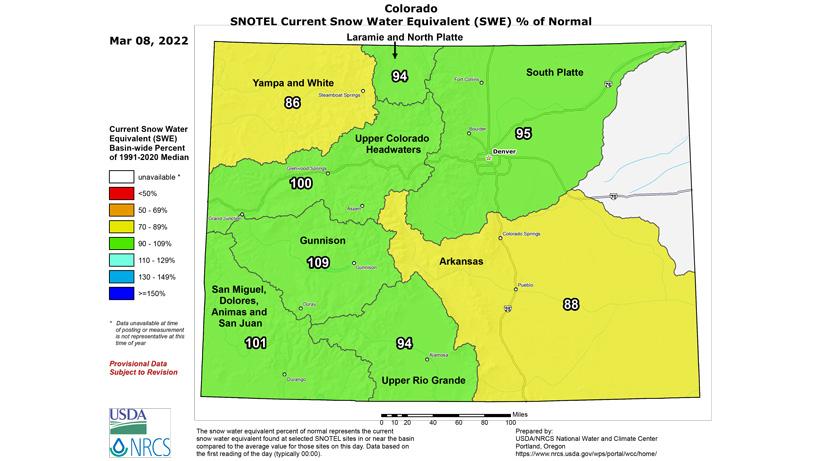
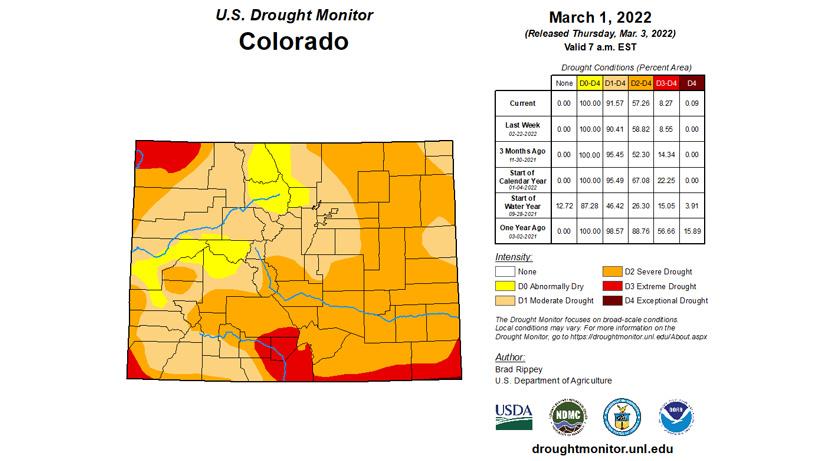
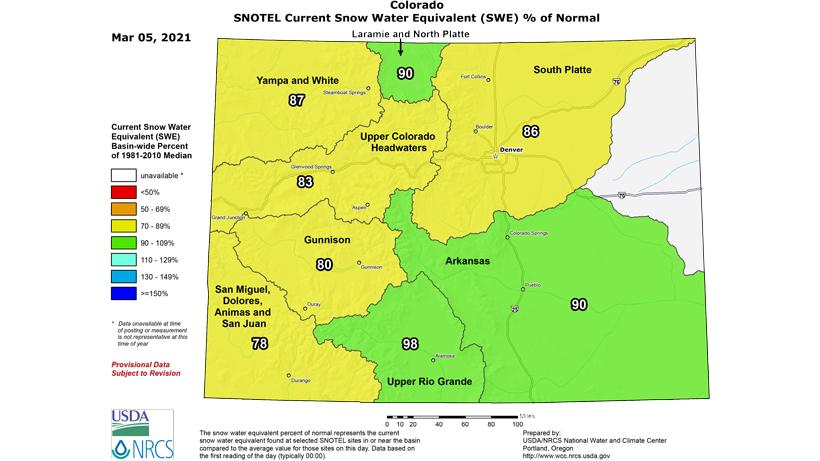
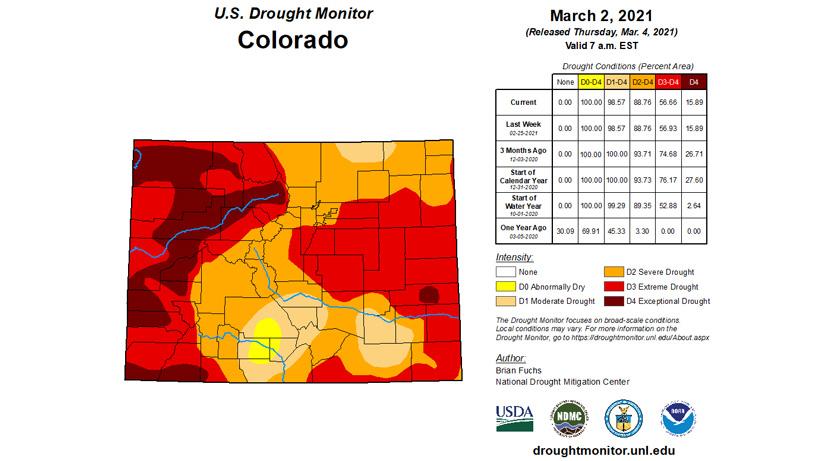
Colorado’s deer population has been relatively stable over the past 15 years, but in 2023, it dropped to its lowest level in recent history. The total statewide estimate in the most recent data set is 384,100 in 2024, which is a slight uptick from 2023.
For quick reference, we have included the 2024 estimated population and buck-to-doe ratios, which are the most recent published estimates to date.
*DAU is a combination of one or more Game Management Units that represent a relatively discrete herd. 2024 data is used since the 2025 data is not available at the time of publishing this article.
For the most part, the "big" units in Colorado are well known. Keep in mind that weather can play a huge part on any hunt, and just because a unit has the potential and the history to kick out good bucks.
When it comes to mule deer hunting, hidden gems can mean different things to different hunters. For some, it’s an opportunity they hadn’t discovered while, for others, it might be an underrated unit that consistently produces high quality animals — or perhaps a combination of both.
No matter how you define it, the tools in your Insider account can help you uncover these hidden gems. To get started, consider the archery, muzzleloader, and first rifle seasons, which often allow you to hunt the same deer as those sought after, hard-to-draw rifle seasons, but with far fewer points. This also gives you more chances to hunt, allowing you to become familiar with specific areas. Additionally, some hunts available as a second choice present excellent opportunities that many hunters may not even realize exist. They might be more difficult hunts, but you're still hunting a unit that holds big deer, you just might need to adjust your tactics a bit.
Your GOHUNT Insider account covers every opportunity, and there are hundreds of other hunts that can be drawn with very few points.
We also include population estimates and buck-to-doe ratios within this article above. Between those and Filtering, standalone draw odds and the Unit Profiles, you can put together a hunt that will work for the number of points you have.
Historically, some of the biggest bucks in the state are harvested from low-point draw units, and bigger bucks will always persist in those types of units; however, the number of those bucks is fewer than it has been and each year it seems harder to pull the rabbit out of the hat on some sleeper units.
Even so, my advice would be to hunt Colorado mule deer as often as possible. The law of averages is currently most likely the best strategy for Colorado. For example, if you hunt deer there five times in 15 years, you are more likely to kill a great buck than you are if you hunt one time in 15 years.
Utilize GOHUNT's standalone Draw Odds, trophy filters, Unit Profiles, and the information in this article to find those tucked-away hidden gems.
2026 maximum preference points for deer: 37
The table above includes only adults, not youth.
The table above is from people who used the point-only code in 2025.
Keep in mind that most of the land east of I-25 is private. Obtaining landowner permission prior to applying is highly recommended. Applicants should review the detailed draw odds pages and generally consider hunts that could have been drawn at a point or two points less than what has been available at your current level.
I get this question all the time. Most hunts available at the zero point level tend to be that way for a few reasons. It's usually due to the number of tags issued, a restrictive weapon requirement like archery, muzzleloader, or private land issues that limit public access. However, there are still some great opportunities at the zero point level. Start by considering archery, muzzleloader, or some of the first rifle seasons (most are around the two-point and above-point level), as these are often early enough for deer to be in higher elevations, where public land is more accessible. Some second or third rifle seasons also offer liberal tag numbers and can be drawn with zero points, though you'll need to be prepared for increased hunting pressure.
The other option is to build a preference point by using the preference point code as a first choice and applying for a license that can likely to be drawn as a second choice. By changing the “choice” filter within the standalone draw odds page, you can see the odds of drawing every hunt as a second choice. This strategy will allow you to draw a license and hunt while still building a preference point for future use.
When looking at second-choice hunts, you will see that a decent number have odds as a second choice. And then, you can click into that hunt to view the second choice odds for a 5-year trend. I truly don't think people utilize this feature enough when trying to find a hunt to go on this year, while still building a preference point.
Preference point only code as a first choice D-P-999-99-P.
Here are the steps I would perform in Filtering to learn about units that you might want to hunt:
Last year, the new 2025-2029 big game season structure went into effect. Make sure to check the season dates below.
There will be no mandatory CWD testing for harvested deer in the 2026 season.
New Private-land only archery doe and buck hunts removed for GMUs 4, 13 & 301.
New Fourth season rifle buck hunts added for GMUs 61 & 62.
New Private-land only rifle doe hunts added for GMU 84 and GMU grouping 71 & 711: Special area restrictions included in GMU 84 hunt.
New First Season rifle buck hunts added for GMU groupings 75 and 751, and 77, 78, 771.
New Private-land only rifle either sex hunt added for GMU 682: GMU 682 is removed as valid unit from GMU grouping 61 and 681 archery, muzzleloader, and rifle hunt codes.
Select Colorado.
Select Mule Deer.
Go down to the Draw Odds section and select your residency
Under "Choice," I would select "First Choice" to see the draw odds for first-choice hunts.
And under "Points," I would enter the number of points you have. Or better yet, jump into Point Tracker and make sure your points are updated so our system will automatically enter your points for each species you're researching.
Our system will now show you draw odds under every season at your point level, and it will show you how many applicants applied at your point level with an arrow next to that number. Up arrow corresponds with applications trending upward, and a down arrow means applications at this point level are decreasing.
Adjust the Trophy Potential slider to your desired size (e.g., 160"+, 170"+, 180"+, 190"+ or values in between that).
Select your minimum percentage of odds for drawing the tag. This can be very good for weeding out hunting areas with unlimited (100%) tags.
Select which season(s) you wish to hunt. Have other hunts going on throughout the fall? You can also set your date parameters, and Filtering will automatically find what's in season that time of the year.
Choose what harvest percentages you would like to see in the hunt areas.
Lastly, click on any of the remaining units to read in-depth Unit Profiles containing valuable information.
On a Unit Profile, you can learn a ton of information about that unit and even see comments from people who have hunted it in the past, and even send members direct members an direct message to ask them privately about hunting in that unit.
Save unit seasons in Filtering
Never lose track of units you want to further research
Rank seasons
Can help decide what unit to apply for or what order to place your units when applying on a state's website
Compare seasons (up to three at a time)
Save the filter settings you used in Filtering to find a great hunt
Add notes to your research folder under the season level or the hunt folder level
And much more!
The deadline to apply for all species in Colorado is 8:00 p.m. MT on April 7, 2026.
You can apply online here or by calling 1-800-244-5613.
Draw results will be available sometime from May 26 to 29, 2026
All applicants, including youth, must purchase a qualifying license before applying for the big game draw(s).
Qualifying licenses:
Annual licenses (valid March 1 to 31):
Annual resident and nonresident small game
Annual resident combination small game/fishing
Annual resident senior combination small game/fishing
Resident and nonresident spring turkey (over-the-counter (OTC) turkey licenses on sale March 1)
Resident and nonresident fall turkey (valid for the secondary draw only)
Resident veteran lifetime combination small game/fishing
Resident first responder lifetime combination small game/fishing
Annual small game license for resident senior lifetime fishing license holders
Applicants do not have to front the cost of the licenses that they are applying for.
Applicants born after Jan. 1, 1949, must have completed an approved hunter’s education course before applying and must carry their hunter’s education card with them while they hunt.
Hunters over the age of 50 or military personnel who have not completed hunter’s education can take a one-time online test to test out. The cost is $34.95, and you must pass with 90%.
A Habitat Stamp is required for hunters and costs $12.76 for hunters ages 18-64.
One 2026 Habitat stamp will automatically be added to your first hunting or fishing license purchase of each license year, if applicable, including qualifying licenses. Habitat Stamps are nonrefundable, even if you are unsuccessful in the draw.
Application fees, Habitat Stamp fee, qualifying licenses, and preference point fees are nonrefundable.
Colorado is a true preference point state for deer. The applicants with the most points who apply for any given hunt will draw the permit.
If you draw a permit and Colorado Parks and Wildlife (CPW) is unable to charge the credit card on file, you must pay for the license online or by phone at a CPW office by June 12, 2026, by 11:59 p.m. MT. If you do not, your license is surrendered, and you lose both the license and any preference points you used to draw it.
If you draw a license you would like to return, you will have a window of time when you can decline the license if you do not want it. If you choose to keep it, payment will be charged to the card used to apply.
You can also return a license you drew for a refund or preference point restoration. You must relinquish your license and carcass tag at least 30 days before the opening day of the season for which the license is valid.