
How to always ensure your rifle performs on a hunt year after year

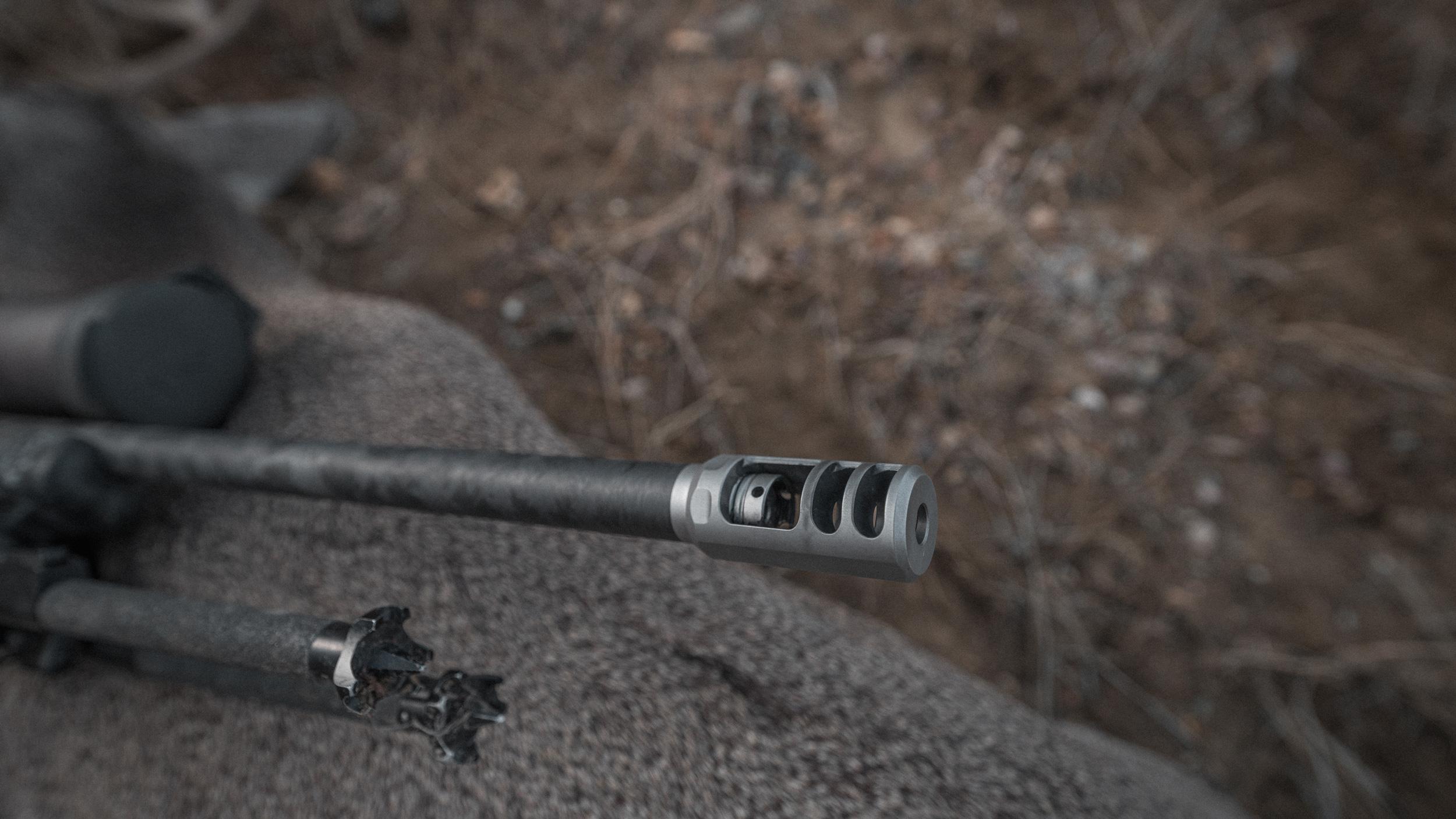
Bore guide installed to clean the rifle barrel.
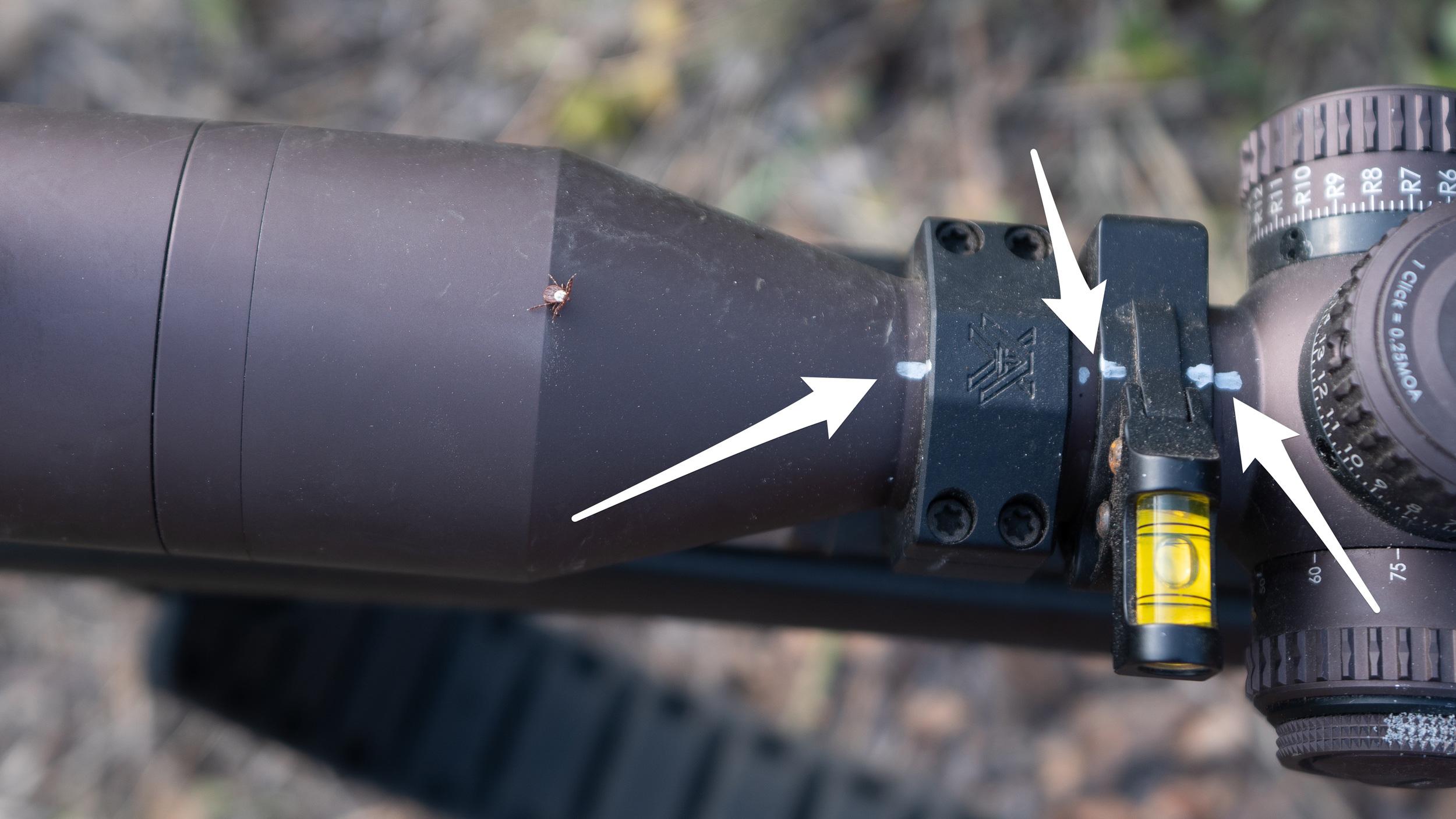
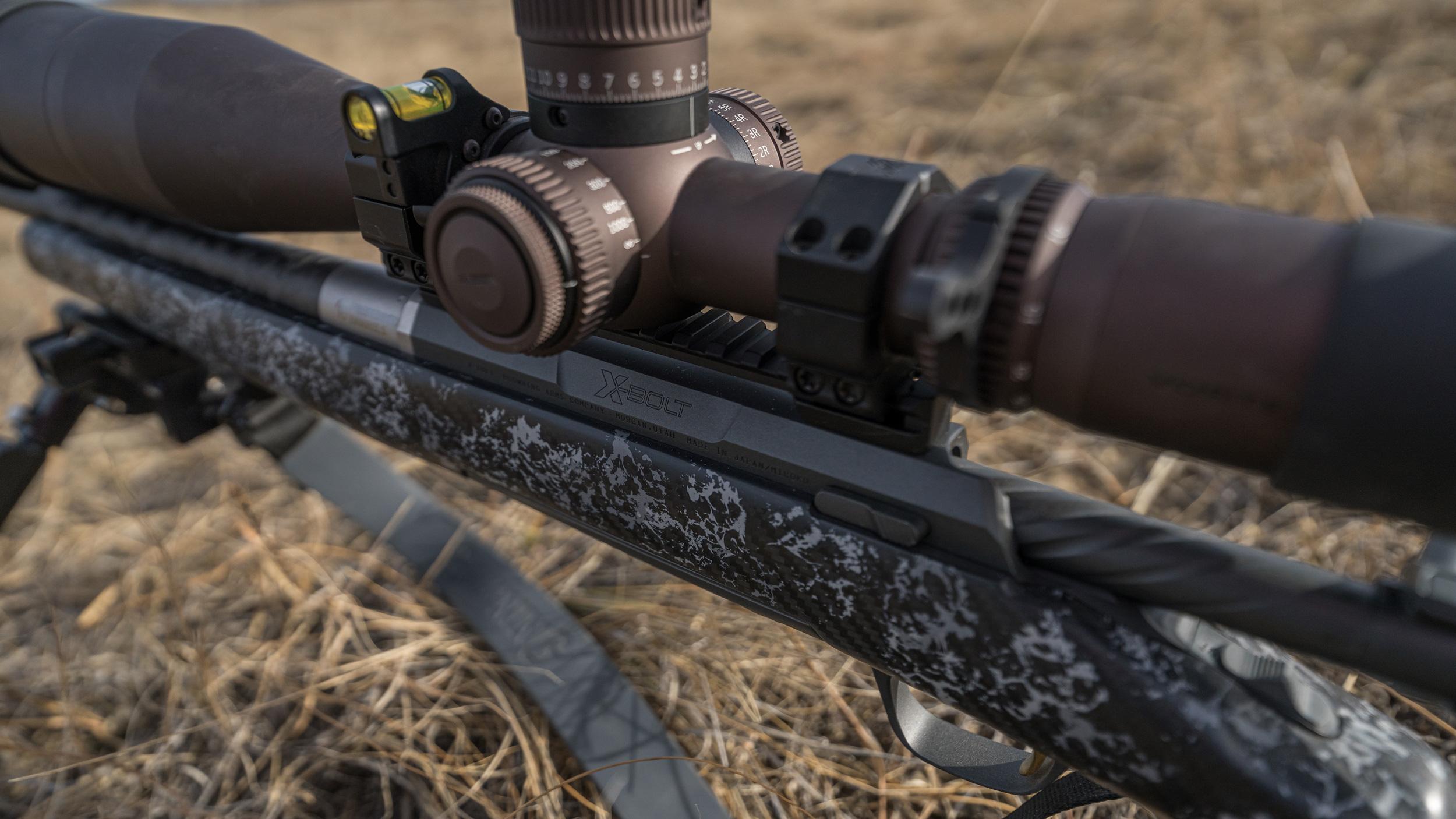
Witness marks added to several areas of a riflescope and bubble level.
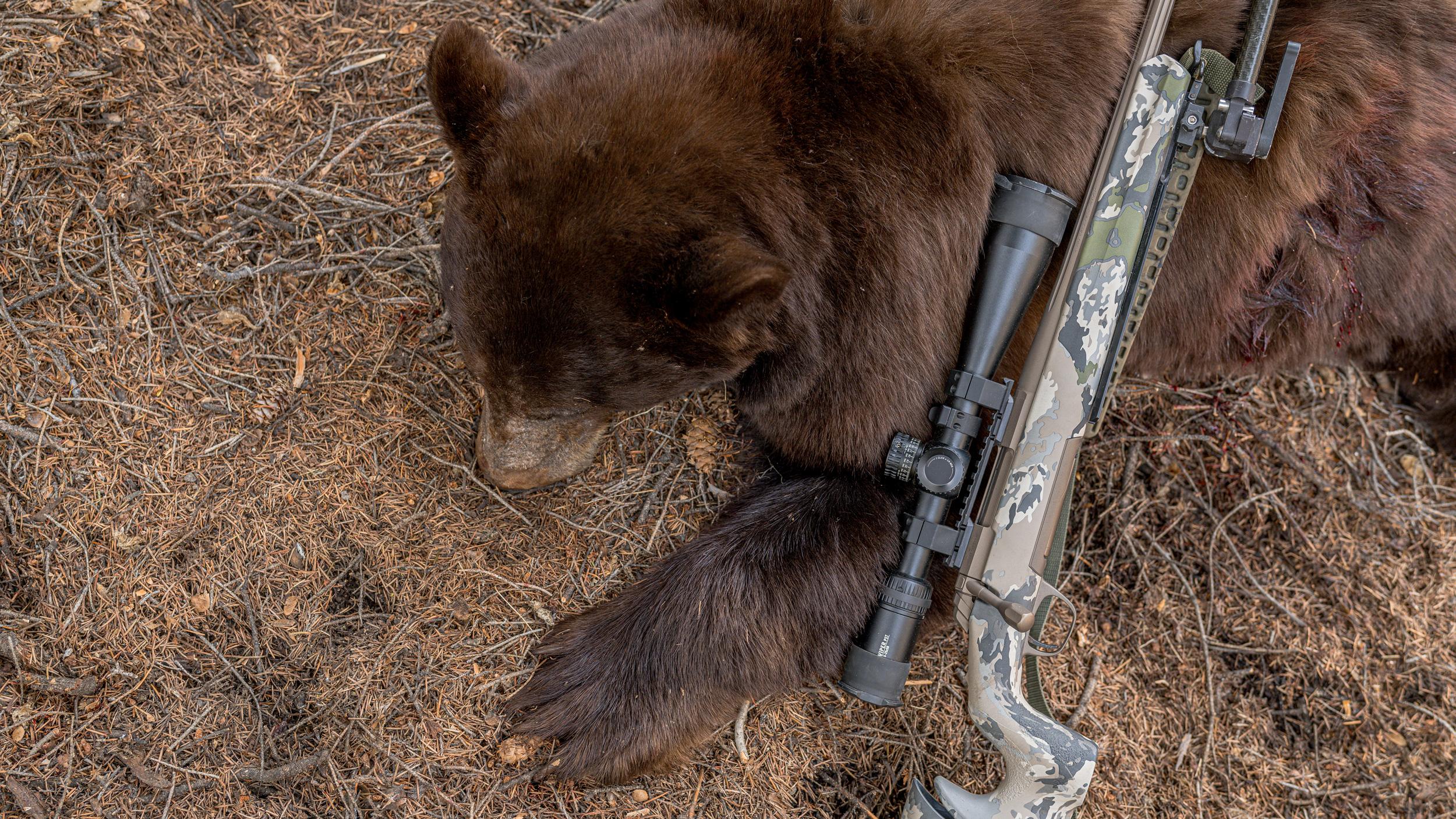
Backcountry hunts don’t forgive small mistakes, and the same can be said for any hunt, for that matter. When I go on a hunt, I do everything I can to ensure my rifle performs when it needs to.
I don’t care if you’re carrying a brand-new rifle or a rifle that’s been in your family for 30 years—most “rifle problems” that show up on a hunt aren’t mysteries. They’re preventable. They’re mainly from neglected maintenance and/or surprises that didn’t get caught at home.
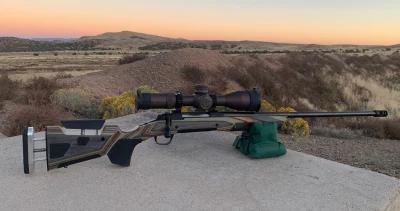
Pictured above is a Browning X-Bolt 2 Pro McMillan SPR rifle that I used a few years ago on a mule deer hunt (see the outcome of that hunt and a review of the rifle). If it didn't shoot, I wouldn't use it, and time and time again, these rifles put a smile on my face.
This checklist is what I do before every season and before any backcountry-style hunt where a quick trip to the truck isn’t an option. It’s written with hunting rifles in mind—but the process applies to just about any serious rifle.
If you do nothing else, do this: prove your rifle is reliable before the hunt. Nothing is worse than showing up to a hunt with a poor shooting rifle.
The way I like to phrase this is to make sure your rifle is "boring"—in the best way. Meaning it functions 100% of the time, and just works. I trust my rifles will hold up no matter the conditions, but it's always great to check twice and shoot once.
Before you do anything, always ensure you're starting with a safe rifle: confirm it's unloaded in both the chamber and the magazine.
Back at home and before I leave for a hunt, I like to start out by checking the usual suspects:
When did you last clean your rifle? Oh, you just cleaned it yesterday, and you're leaving later today. Does your rifle actually shoot well after a clean barrel? If you don't know that, you'd better head to the range. I do clean my rifles a lot, but do whatever makes your rifle shoot best.
This should be self-explanatory: use the exact ammunition you’re hunting with. If you changed loads or even lot numbers, verify again. I will shoot 100 yards a lot with my hunting rifles.
Minimum standard in my opinion:
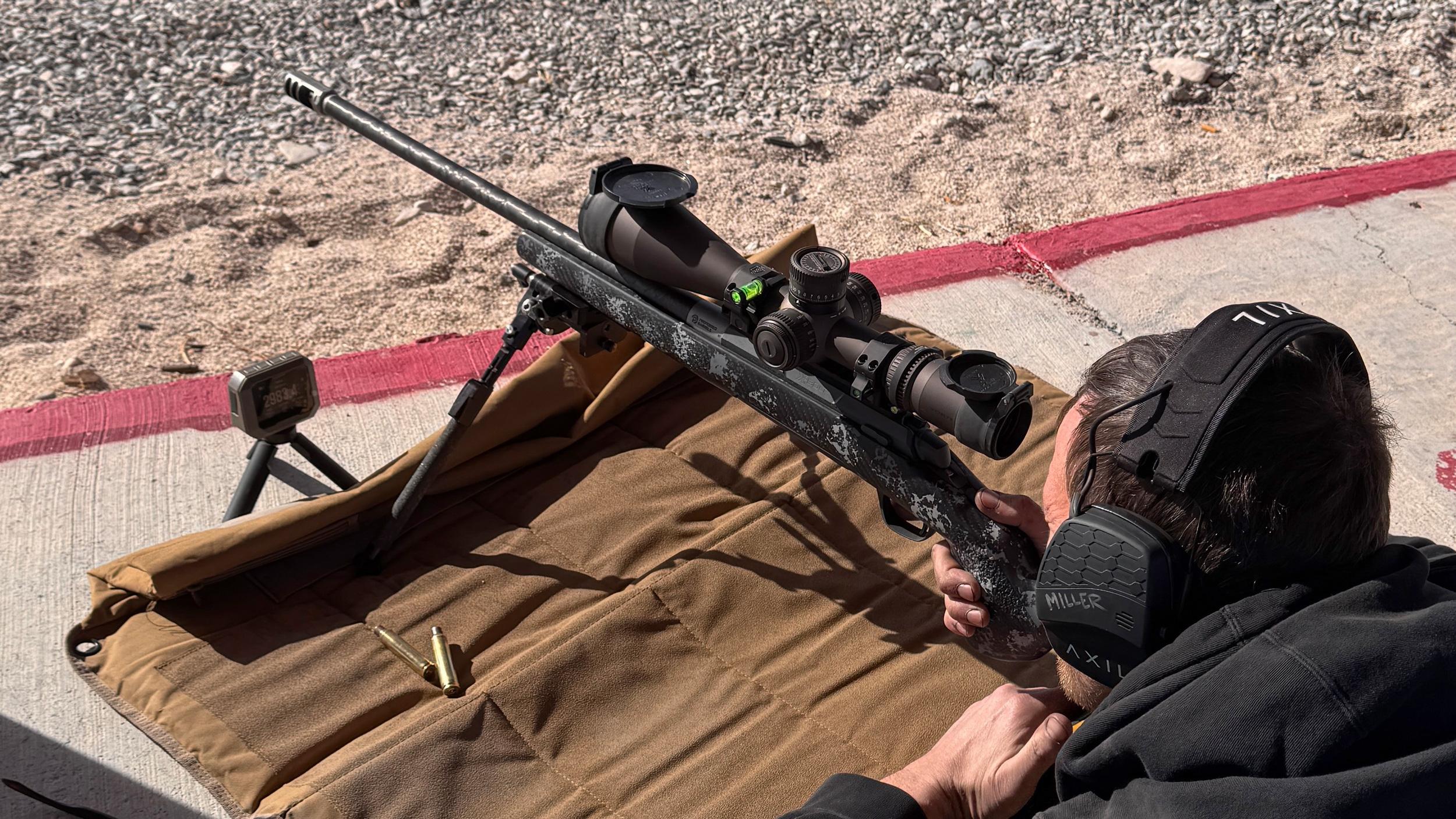
Then shoot at least a few rounds from a real hunting position (prone off a pack, shoot off your bipod in the dirt with your backpack as the rear support, seated—whatever you actually do). Bench groups don’t automatically equal hunting hits, unless you've practiced them.
If you travel a lot for hunts (flights, rough roads), plan for a post-travel confirmation shot whenever possible. Which is why I will always fly or drive with a small packable target in my truck. I've been using a system created by MOA Gear which is their Offgrid Target system that I toss in my truck or rifle case when I fly. And then I can check the zero in the field once I drive or land near my hunting area.
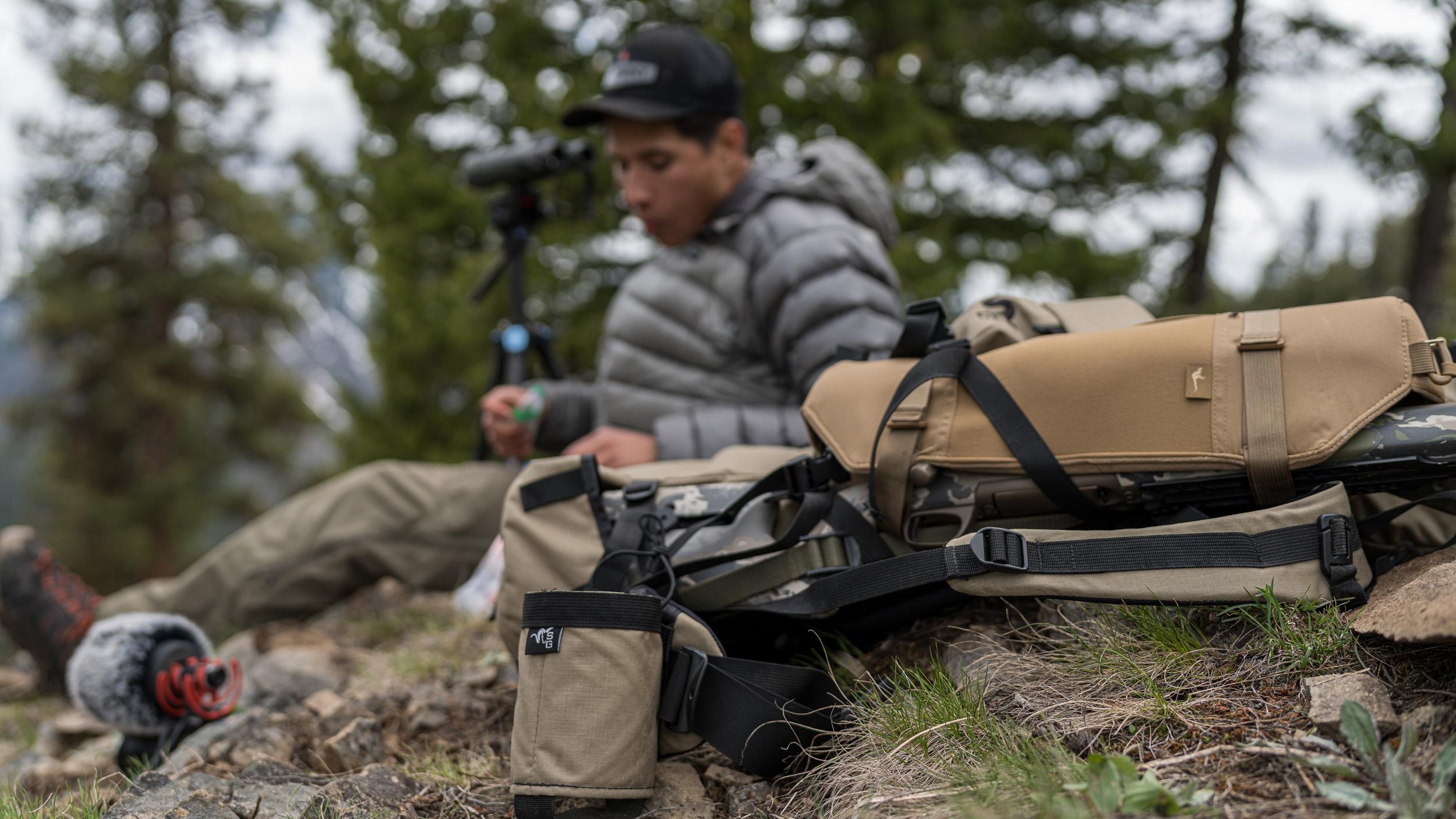
Also, pack a rifle cover of some sort that will protect your scope, action, and the end of your barrel. Depending on the hunt, I'll use the GOHUNT Essential Rifle Cover, or Marsupial Gear Padded Scope and Muzzle Cover. I've also been eying up a scope cover called the DRT Recon Lounger Bundle (this is a rifle and muzzle cover, plus it doubles as a glassing chair or shooting mat).
There are times when you'll wish you had some tools to fix some random issues you might encounter on a hunt. You don’t need a full toolbox—just the items that can help you get back out hunting. Most of the time, I'll have some tools stashed in my truck. Other times I might bring some items in the field and stash them a few miles in. So some of these items make it into my backpack, and the others go in my truck.
Bonus tip: Put small witness marks on key areas of your riflescope, bubble level, or even scope ring bolts so you can see movement instantly.
Back to this statement, make the rifle boring in a sense. All my rifles, especially my Browning rifles, are built to hunt—but reliability is earned before the season. Do this checklist once pre-season and again before any big trip. The goal is simple: when the moment shows up, the rifle does exactly what it is supposed to do.
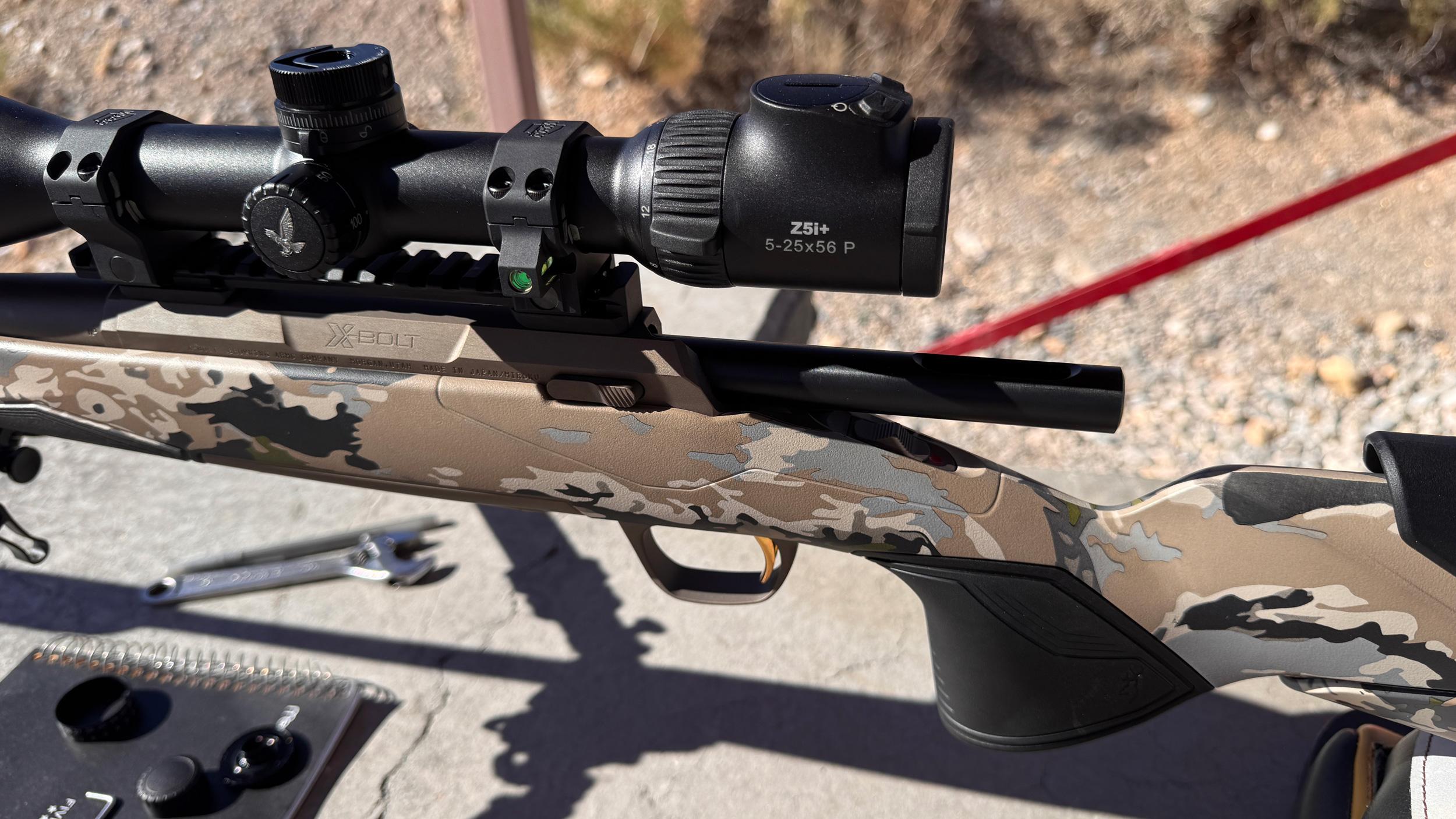
Scope ring and base screws: anything loose here can shift your impact. Confirm your rings are torqued to the proper specs.
Action screws (stock to action): you should have already done this by now... but dig out that manual, or call your rifle builder and figure out the torque specs. Then write down that information in a book you keep for this rifle.
Magazine: ensure it locks in place securely, if it doesn't, well... time to fix it.
Muzzle devices: look for nicks or obvious damage; ensure a brake/suppressor is tight if you use one. Clean them if needed. I'll even take a Q-tip or a patch and push it through my brake to ensure I get all the sections clean.
Check to ensure your barrel is still free floating. Don't assume that just because it was in the past, it doesn't mean you didn't get a small stick or a rock between your barrel and stock when you were packing out your last animal, or from that rifle competition you just got back from.
Have a bipod? Is the Picatinny or Arca-Swiss rail you have for your bipod securely attached to your rifle? Better check that the bolts that secure it to your stock are tight.
Run the bolt hard and fast: just to make sure everything is running smoothly.
If you take the bolt out for cleaning your rifle, please don't forget it.
If you haven't cleaned your rifle in a year, maybe consider cleaning it, unless you're certain your rifle shoots well with the number of rounds you have down the tube since your last cleaning. So... clean the bore until it's “good,” not laboratory perfect.
Clean the bolt, if needed, with a degreaser, then apply a minimal amount of bolt grease/lube to the bolt lugs, then wipe them down until they look almost dry. You don't want to attract dust. You can even disassemble the bolt and perform a deep clean.
If your rifle tends to shoot best with a little fouling, fire a couple of fouling shots before final zero. Again, track this information in your rifle book for how many shots you need to take after a clean.
Shoot a 3-shot up to a 10-shot group to confirm your zero is perfect
Adjust if needed
Shoot another group to verify the correction
Correct bit for your riflescope rings/base
There are times I've carried one or two bits in my kill kit, and then I'll use the back portion of my Goat Knife if I need to tighten something down. Figure out what size works with the parts on your riflescope, and you can carry those in the field with you.
Better yet, I always have a set of Fix It Sticks in my truck. Their kits have torque limiters and bits that can fix everything from rifles to tripods and much more.
Small bit for action screws
Lens cloth/brush
I keep this in my small or extra-small GOHUNT Tyvek Gear Bag that I use as my optics bag.
Bore snake, which you could pack in the field, or have a cleaning rod with jags and patches back at your truck.
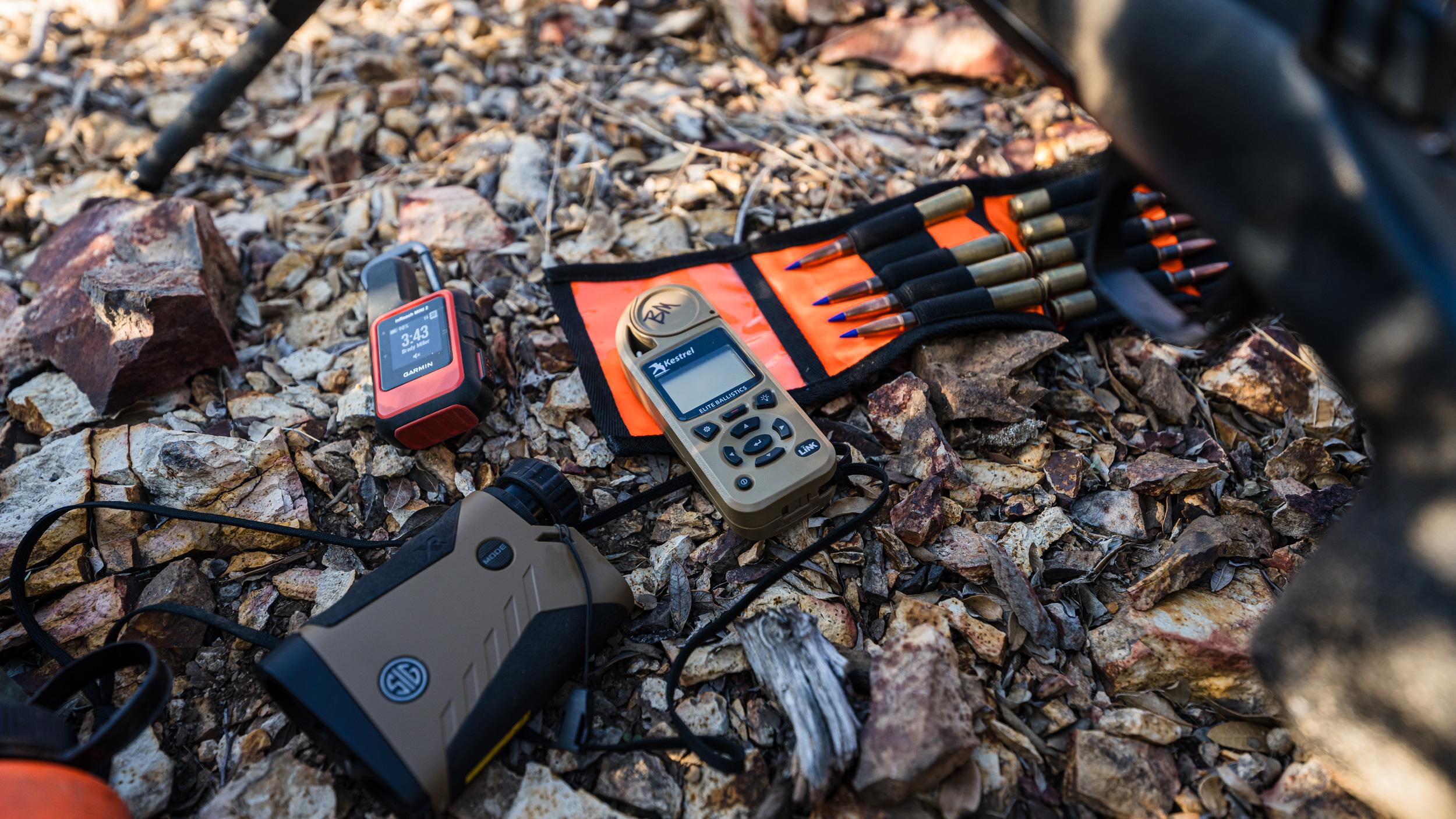
Carry a few spare rounds protected in an ammo wallet/holder. I'm biased, but I love the GOHUNT Ammo Wallet.