

Tips and in-depth strategies when trying to put together your hunting application plans for elk and antelope in Colorado

Season |
Dates |
Archery |
September 2-30 |
Muzzleloader |
September 12-20 |
First rifle |
Oct. 15 to 19 |
Second rifle |
October 24 - November 1 |
Third rifle |
November 7-15 |
Fourth rifle |
November 18-22 |
Season | Dates |
Archery | September 2-30 |
Muzzleloader | September 12-20 |
First rifle | Oct. 15 to 19 |
Second rifle | October 24 - November 1 |
Third rifle | November 7-15 |
Fourth rifle | November 18-22 |
Season |
Dates |
Archery |
August 15 - September 20 |
Muzzleloader |
September 21-29 |
Rifle |
October 3-11 |
Season | Dates |
Archery | August 15 - September 20 |
Muzzleloader | September 21-29 |
Rifle | October 3-11 |
Item |
Resident |
Nonresident |
Application fee (per species) |
$8.93 |
$11.49 |
Qualifying license/annual small game hunting license |
$38.49 |
$104.86 |
Youth qualifying license/annual small game hunting license |
$2.53 |
$2.53 |
Habitat stamp |
$12.76 |
$12.76 |
*Elk license (Adult) |
$70.40 |
$845.16 |
*Elk license (Youth) |
$20.30 |
$130.07 |
*Antelope license (Adult) |
$51.25 |
$506.92 |
*Antelope license (Youth) |
$20.30 |
$130.07 |
Item | Resident | Nonresident |
Application fee (per species) | $8.93 | $11.49 |
Qualifying license/annual small game hunting license | $38.49 | $104.86 |
Youth qualifying license/annual small game hunting license | $2.53 | $2.53 |
Habitat stamp | $12.76 | $12.76 |
*Elk license (Adult) | $70.40 | $845.16 |
*Elk license (Youth) | $20.30 | $130.07 |
*Antelope license (Adult) | $51.25 | $506.92 |
*Antelope license (Youth) | $20.30 | $130.07 |
Data Analysis Unit GMU's |
Population (2024) |
Bull:cow ratio (2024) |
2, 201 |
1,600 |
95:100 |
3, 301, 4, 441, 5, 14, 214 |
15,840 |
22:100 |
6, 16, 161, 17, 171 |
5,160 |
24:100 |
7, 8, 9, 19, 191 |
5,410 |
19:100 |
53, 54, 63 |
8,360 |
18:100 |
11, 12, 13, 23, 24, 25, 26, 33, 34, 131, 211, 231 |
36,480 |
17:100 |
15, 27 |
3,020 |
42:100 |
18, 181 |
3,300 |
29:100 |
20 |
2,220 |
38:100 |
21, 22, 30, 31, 32 |
16,110 |
20:100 |
82 |
5,140 |
42:100 |
35, 36 |
4,450 |
31:100 |
28, 37, 371 |
3,560 |
40:100 |
41, 411, 42, 421, 52, 521 |
17,370 |
30:100 |
43, 471 |
3,960 |
24:100 |
44, 444, 45, 47 |
10,380 |
28:100 |
48, 481, 56, 561 |
3,390 |
24:100 |
50, 500, 501 |
3,340 |
38:100 |
40 |
6,150 |
36:100 |
61, 62 |
14,390 |
23:100 |
10 |
1,680 |
51:100 |
49, 57, 58 |
3,780 |
33:100 |
511, 512, 581, 59, 591 |
3,860 |
33:100 |
70, 71, 711, 72, 73 |
24,350 |
12:100 |
66, 67 |
6,110 |
17:100 |
68, 681 |
5,510 |
21:100 |
86, 691, 861 |
2,890 |
18:100 |
69, 84 |
2,420 |
29:100 |
74, 741 |
7,270 |
18:100 |
75, 751, 77, 771, 78 |
21,170 |
2:100 |
80, 81 |
14,480 |
19:100 |
83, 85, 851, 140 |
15,530 |
32:100 |
76, 79 |
6,050 |
31:100 |
64, 65 |
6,430 |
28:100 |
29, 38 |
1,600 |
36:100 |
39, 46, 391, 461 |
2,300 |
29:100 |
60 |
1,320 |
34:100 |
55, 551 |
7,310 |
24:100 |
1 |
200 |
33:100 |
51, 104, 105, 106, 110, 111 |
3,090 |
39:100 |
133, 134, 135, 141, 142 |
1,480 |
33:100 |
682, 791 |
150 |
14:100 |
Data Analysis Unit GMU's | Population (2024) | Bull:cow ratio (2024) |
2, 201 | 1,600 | 95:100 |
3, 301, 4, 441, 5, 14, 214 | 15,840 | 22:100 |
6, 16, 161, 17, 171 | 5,160 | 24:100 |
7, 8, 9, 19, 191 | 5,410 | 19:100 |
53, 54, 63 | 8,360 | 18:100 |
11, 12, 13, 23, 24, 25, 26, 33, 34, 131, 211, 231 | 36,480 | 17:100 |
15, 27 | 3,020 | 42:100 |
18, 181 | 3,300 | 29:100 |
20 | 2,220 | 38:100 |
21, 22, 30, 31, 32 | 16,110 | 20:100 |
82 | 5,140 | 42:100 |
35, 36 | 4,450 | 31:100 |
28, 37, 371 | 3,560 | 40:100 |
41, 411, 42, 421, 52, 521 | 17,370 | 30:100 |
43, 471 | 3,960 | 24:100 |
44, 444, 45, 47 | 10,380 | 28:100 |
48, 481, 56, 561 | 3,390 | 24:100 |
50, 500, 501 | 3,340 | 38:100 |
40 | 6,150 | 36:100 |
61, 62 | 14,390 | 23:100 |
10 | 1,680 | 51:100 |
49, 57, 58 | 3,780 | 33:100 |
511, 512, 581, 59, 591 | 3,860 | 33:100 |
70, 71, 711, 72, 73 | 24,350 | 12:100 |
66, 67 | 6,110 | 17:100 |
68, 681 | 5,510 | 21:100 |
86, 691, 861 | 2,890 | 18:100 |
69, 84 | 2,420 | 29:100 |
74, 741 | 7,270 | 18:100 |
75, 751, 77, 771, 78 | 21,170 | 2:100 |
80, 81 | 14,480 | 19:100 |
83, 85, 851, 140 | 15,530 | 32:100 |
76, 79 | 6,050 | 31:100 |
64, 65 | 6,430 | 28:100 |
29, 38 | 1,600 | 36:100 |
39, 46, 391, 461 | 2,300 | 29:100 |
60 | 1,320 | 34:100 |
55, 551 | 7,310 | 24:100 |
1 | 200 | 33:100 |
51, 104, 105, 106, 110, 111 | 3,090 | 39:100 |
133, 134, 135, 141, 142 | 1,480 | 33:100 |
682, 791 | 150 | 14:100 |
Unit |
Trophy Potential |
201 |
370”+ |
851* |
370”+ |
2 |
360”+ |
40 |
360”+ |
1 |
350”+ |
10 |
350”+ |
61 |
350”+ |
76 |
350”+ |
49 |
340”+ |
20 |
340”+ |
Unit | Trophy Potential |
201 | 370”+ |
851* | 370”+ |
2 | 360”+ |
40 | 360”+ |
1 | 350”+ |
10 | 350”+ |
61 | 350”+ |
76 | 350”+ |
49 | 340”+ |
20 | 340”+ |
Points |
Resident |
Nonresident |
40 |
2 |
0 |
39 |
1 |
0 |
38 |
1 |
0 |
37 |
0 |
0 |
36 |
1 |
2 |
35 |
4 |
10 |
34 |
5 |
40 |
33 |
10 |
110 |
32 |
22 |
147 |
31 |
48 |
211 |
30 |
72 |
239 |
29 |
112 |
303 |
28 |
163 |
363 |
27 |
214 |
406 |
26 |
258 |
434 |
25 |
294 |
442 |
24 |
312 |
489 |
23 |
330 |
426 |
22 |
368 |
463 |
21 |
430 |
586 |
20 |
469 |
754 |
19 |
496 |
738 |
18 |
514 |
837 |
17 |
617 |
800 |
16 |
687 |
876 |
15 |
688 |
912 |
14 |
851 |
965 |
13 |
989 |
1029 |
12 |
1254 |
1154 |
11 |
1528 |
1399 |
10 |
1858 |
1651 |
9 |
2391 |
2318 |
8 |
2999 |
4395 |
7 |
3092 |
4895 |
6 |
3978 |
5719 |
5 |
4832 |
8115 |
4 |
6066 |
10590 |
3 |
9395 |
14625 |
2 |
15324 |
19032 |
1 |
27114 |
39459 |
Points | Resident | Nonresident |
40 | 2 | 0 |
39 | 1 | 0 |
38 | 1 | 0 |
37 | 0 | 0 |
36 | 1 | 2 |
35 | 4 | 10 |
34 | 5 | 40 |
33 | 10 | 110 |
32 | 22 | 147 |
31 | 48 | 211 |
30 | 72 | 239 |
29 | 112 | 303 |
28 | 163 | 363 |
27 | 214 | 406 |
26 | 258 | 434 |
25 | 294 | 442 |
24 | 312 | 489 |
23 | 330 | 426 |
22 | 368 | 463 |
21 | 430 | 586 |
20 | 469 | 754 |
19 | 496 | 738 |
18 | 514 | 837 |
17 | 617 | 800 |
16 | 687 | 876 |
15 | 688 | 912 |
14 | 851 | 965 |
13 | 989 | 1029 |
12 | 1254 | 1154 |
11 | 1528 | 1399 |
10 | 1858 | 1651 |
9 | 2391 | 2318 |
8 | 2999 | 4395 |
7 | 3092 | 4895 |
6 | 3978 | 5719 |
5 | 4832 | 8115 |
4 | 6066 | 10590 |
3 | 9395 | 14625 |
2 | 15324 | 19032 |
1 | 27114 | 39459 |
Data Analysis Unit GMU's |
Population (2024) |
Buck:doe ratio (2024) |
87, 88, 89, 90, 94, 95, 951 |
6,740 |
38:100 |
99, 100 |
1,170 |
45:100 |
6, 16, 17, 161, 171 |
1,580 |
52:100 |
93, 97, 98, 101, 102 |
750 |
37:100 |
120, 121, 125, 126 |
3,170 |
50:100 |
112, 113, 114, 115 |
2,900 |
45:100 |
128, 129, 133, 134, 135, 140, 141, 142, 147 |
8,160 |
47:100 |
110, 111, 118, 119, 123, 124 |
9,520 |
60:100 |
3, 4, 5, 13, 14, 214, 301, 441 |
9,760 |
46:100 |
11 |
560 |
62:100 |
1, 2, 201 |
1,280 |
66:100 |
116, 117, 122, 127 |
1,770 |
45:100 |
130, 136, 137, 138, 143, 144, 146 |
2,790 |
29:100 |
68, 79, 82, 681, 682, 791 |
1,770 |
25:100 |
80, 81, 83 |
1,300 |
28:100 |
132, 139, 145 |
1,450 |
0:100 |
103, 106, 107, 109 |
2,750 |
33:100 |
69, 84, 85, 86, 691, 851, 861 |
2,960 |
45:100 |
10, 21 |
120 |
75:100 |
66, 67, 551 |
460 |
48:100 |
49, 50, 57, 58, 500, 501, 511, 581 |
1,130 |
31:100 |
59, 591 |
240 |
0:100 |
9, 19, 191 |
1,220 |
32:100 |
12, 23, 211 |
180 |
63:100 |
51, 104, 105 |
5,340 |
49:100 |
7, 8 |
520 |
45:100 |
15, 18, 26, 27, 28, 37, 181, 231, 371 |
790 |
29:100 |
48, 56, 481 |
270 |
38:100 |
Data Analysis Unit GMU's | Population (2024) | Buck:doe ratio (2024) |
87, 88, 89, 90, 94, 95, 951 | 6,740 | 38:100 |
99, 100 | 1,170 | 45:100 |
6, 16, 17, 161, 171 | 1,580 | 52:100 |
93, 97, 98, 101, 102 | 750 | 37:100 |
120, 121, 125, 126 | 3,170 | 50:100 |
112, 113, 114, 115 | 2,900 | 45:100 |
128, 129, 133, 134, 135, 140, 141, 142, 147 | 8,160 | 47:100 |
110, 111, 118, 119, 123, 124 | 9,520 | 60:100 |
3, 4, 5, 13, 14, 214, 301, 441 | 9,760 | 46:100 |
11 | 560 | 62:100 |
1, 2, 201 | 1,280 | 66:100 |
116, 117, 122, 127 | 1,770 | 45:100 |
130, 136, 137, 138, 143, 144, 146 | 2,790 | 29:100 |
68, 79, 82, 681, 682, 791 | 1,770 | 25:100 |
80, 81, 83 | 1,300 | 28:100 |
132, 139, 145 | 1,450 | 0:100 |
103, 106, 107, 109 | 2,750 | 33:100 |
69, 84, 85, 86, 691, 851, 861 | 2,960 | 45:100 |
10, 21 | 120 | 75:100 |
66, 67, 551 | 460 | 48:100 |
49, 50, 57, 58, 500, 501, 511, 581 | 1,130 | 31:100 |
59, 591 | 240 | 0:100 |
9, 19, 191 | 1,220 | 32:100 |
12, 23, 211 | 180 | 63:100 |
51, 104, 105 | 5,340 | 49:100 |
7, 8 | 520 | 45:100 |
15, 18, 26, 27, 28, 37, 181, 231, 371 | 790 | 29:100 |
48, 56, 481 | 270 | 38:100 |
Unit |
Trophy potential |
3/301 |
80”+ |
6/16/17/161/171 |
80”+ |
11 |
80”+ |
161 |
80”+ |
67 |
80”+ |
1/2/201 |
80”+ |
80 |
80”+ |
81 |
80”+ |
87 |
80”+ |
87/88/89/90/95/951 |
80”+ |
68/681/682 |
80”+ |
6 |
75”+ |
49/50/500/501 |
75”+ |
57/58/581 |
75”+ |
88 |
75”+ |
79/791 |
75”+ |
68/79/80/81/82/83/681/682/791 |
75”+ |
Unit | Trophy potential |
3/301 | 80”+ |
6/16/17/161/171 | 80”+ |
11 | 80”+ |
161 | 80”+ |
67 | 80”+ |
1/2/201 | 80”+ |
80 | 80”+ |
81 | 80”+ |
87 | 80”+ |
87/88/89/90/95/951 | 80”+ |
68/681/682 | 80”+ |
6 | 75”+ |
49/50/500/501 | 75”+ |
57/58/581 | 75”+ |
88 | 75”+ |
79/791 | 75”+ |
68/79/80/81/82/83/681/682/791 | 75”+ |
Points |
Resident |
Nonresident |
38 |
1 |
0 |
37 |
1 |
0 |
36 |
0 |
1 |
35 |
0 |
0 |
34 |
1 |
0 |
33 |
2 |
2 |
32 |
4 |
1 |
31 |
7 |
1 |
30 |
20 |
13 |
29 |
43 |
23 |
28 |
69 |
41 |
27 |
84 |
57 |
26 |
134 |
76 |
25 |
212 |
77 |
24 |
223 |
79 |
23 |
280 |
96 |
22 |
274 |
120 |
21 |
285 |
142 |
20 |
337 |
129 |
19 |
338 |
164 |
18 |
332 |
133 |
17 |
419 |
158 |
16 |
425 |
147 |
15 |
501 |
197 |
14 |
564 |
219 |
13 |
731 |
236 |
12 |
902 |
300 |
11 |
1036 |
334 |
10 |
1368 |
406 |
9 |
1775 |
566 |
8 |
2786 |
2087 |
7 |
2985 |
2630 |
6 |
3675 |
2780 |
5 |
4629 |
3602 |
4 |
5391 |
4074 |
3 |
6406 |
5354 |
2 |
7063 |
5984 |
1 |
9626 |
7620 |
Points | Resident | Nonresident |
38 | 1 | 0 |
37 | 1 | 0 |
36 | 0 | 1 |
35 | 0 | 0 |
34 | 1 | 0 |
33 | 2 | 2 |
32 | 4 | 1 |
31 | 7 | 1 |
30 | 20 | 13 |
29 | 43 | 23 |
28 | 69 | 41 |
27 | 84 | 57 |
26 | 134 | 76 |
25 | 212 | 77 |
24 | 223 | 79 |
23 | 280 | 96 |
22 | 274 | 120 |
21 | 285 | 142 |
20 | 337 | 129 |
19 | 338 | 164 |
18 | 332 | 133 |
17 | 419 | 158 |
16 | 425 | 147 |
15 | 501 | 197 |
14 | 564 | 219 |
13 | 731 | 236 |
12 | 902 | 300 |
11 | 1036 | 334 |
10 | 1368 | 406 |
9 | 1775 | 566 |
8 | 2786 | 2087 |
7 | 2985 | 2630 |
6 | 3675 | 2780 |
5 | 4629 | 3602 |
4 | 5391 | 4074 |
3 | 6406 | 5354 |
2 | 7063 | 5984 |
1 | 9626 | 7620 |
The application deadline for all Colorado species is 8:00 p.m. MT on April 7, 2026. You can apply online here. Colorado is a fairly easy state to apply in. You will have to create an online account if you have not previously done so. Or you can call 1-800-244-5613 for help setting up an account.
To aid in your research and planning efforts, we have a tool called Hunt Planner. This product will help you be more efficient at planning for hunts and also keeps all your research data organized. No more notepads getting lost or headaches when trying to remember what units caught your eye during your research! Everything you need is always in one place at GOHUNT.
Your GOHUNT Insider account also has the Point Tracker feature. This allows you to enter the number of points you have for each state and species and, as you research through Filtering and Draw Odds, your point total will automatically be highlighted.
To view important information and an overview of Colorado’s rules/regulations, the draw system and preference points, tag and license fees, and an interactive boundary line map, check out our State Profile. You can also view the Species Profiles to access historical and statistical data to help you find trophy units.
Note: Be aware that some units may have slightly different dates. Review the Colorado Parks & Wildlife (CPW) brochure for details of the hunts you plan to apply for.
Note: Be aware that some units may have slightly different dates. Review the CPW brochure for details of the hunts you plan to apply for.
*Elk and/or antelope license cost will only be charged if you are successful in the draw.
Unless there is an insufficient number of resident applications, nonresident hunters shall receive no more than 25% of available deer, elk, bear and antelope licenses for hunt codes requiring fewer than six preference points for resident hunters to draw in the regular drawing and no more than 20% of available deer, elk, bear and antelope licenses for hunt codes requiring six or more preference points for resident hunters to draw in the regular drawing as calculated using a rolling three-year average for the previous three limited license draws with a one year lag.
Colorado utilizes a true preference point system to allocate elk and antelope draw licenses. This means that the applicants with the most preference points who apply for any given hunt will draw the licenses. There is no random draw for licenses. There are many elk hunting options for the second and third rifle seasons. There are also over-the-counter (OTC archery either-sex antelope licenses in many units. It should be noted that a large portion of the better OTC archery antelope units are in the eastern portion of the state where access to public land is very limited. We’ll cover all OTC opportunities in a separate article later this year.
Applicants will gain one preference point for every year they apply for a hunt and are unsuccessful in drawing their first choice. If applicants want to build preference points only, they can use the preference point-only code as their first choice. Applicants can draw a hunt as a second, third, or fourth choice and still build a preference point for that year. You cannot build more than one preference point per species per year. If you draw your first hunt choice, your preference points will be purged. If you fail to apply for a species or have not purchased a license for 10 consecutive years, then all accumulated preference points for that species will be purged.
Elk preference point only code: E-P-999-99-P
Antelope preference point only code: A-P-999-99-P
Colorado allows applicants to select up to four hunt choices for elk and antelope. Colorado considers every applicant's first choice before moving to subsequent choices. In essence, in order to draw a license as a second choice, there must be a surplus of permits after every applicant's first choice is considered and so on and so forth throughout the other choices. As previously stated, you may be able to draw some hunts as a second choice while using the preference point code as your first choice. This would allow you to build a point for future years and also draw the second choice hunt.
You can explore the odds of drawing as a second choice within your Insider account. Simply change the “choice” filter from first to second, and you can see all the hunt odds of drawing as a second choice.
Group applications of any number are accepted for elk and antelope. Residents and nonresidents can apply together. When a resident and nonresident apply together on a group application, the nonresident license comes out of the nonresident quota for that hunt. One person must be the group leader and all applications in that group are linked together with that group leader’s CID number. Every member of the group must apply for the same hunt at each choice. The group application will go into the draw with the lowest number of preference points of any single member of the group. This means that if a group of three applies and they have one, seven, and 12 points, the application will go into the draw with one point. CPW will not overallocate licenses to cover a group application if there are not enough licenses left. For example, if there were two licenses left and an application for a group of three was selected, they would reject that application and move to the next applicant.
Licenses remaining after the primary drawing will be available in a secondary drawing. The secondary drawing is open to anyone — whether they applied in the primary drawing or not. Applicants must have purchased a qualifying license to apply for the secondary draw. The secondary draw does not use preference points and you cannot apply for preference points. The secondary drawing is a random draw.
The timeframe to apply in the second drawing is June 18 to 30, 2026, at 8 p.m. MT. Youth ages 12 to 17 receive priority for all licenses that make it to the second draw. Draw results for the secondary drawing will be available on July 7. The surrender deadline for the secondary drawing is July 9.
Colorado allows applicants who have drawn a license to return it if they do not want it. There will be a timeframe after the draw where applicants can refuse the license and have their points restored to the pre-draw level. Applicants can also choose to pay for the license and return it at a later date as long as it’s done at least 30 days prior to the hunt. In this case, they can choose to receive a refund for the cost of the license or have their preference points reinstated to a pre-draw level. Note: If you have your points reinstated, you will not receive a point for that year's application.
Any returned or leftover licenses after the secondary draw will be reissued via a first come, first served process starting on Aug. 4 at 9 a.m. MT. The leftover list will be made available in late July. Beyond Aug. 4, every Tuesday at 11 a.m. MT, all reissued licenses will be placed on a list and published on the CPW website for customers to review. The following day, Wednesday at 11 a.m., those licenses will be sold on a first come, first served basis. Reissued licenses can be purchased online or in-person at CPW offices or other license agents.
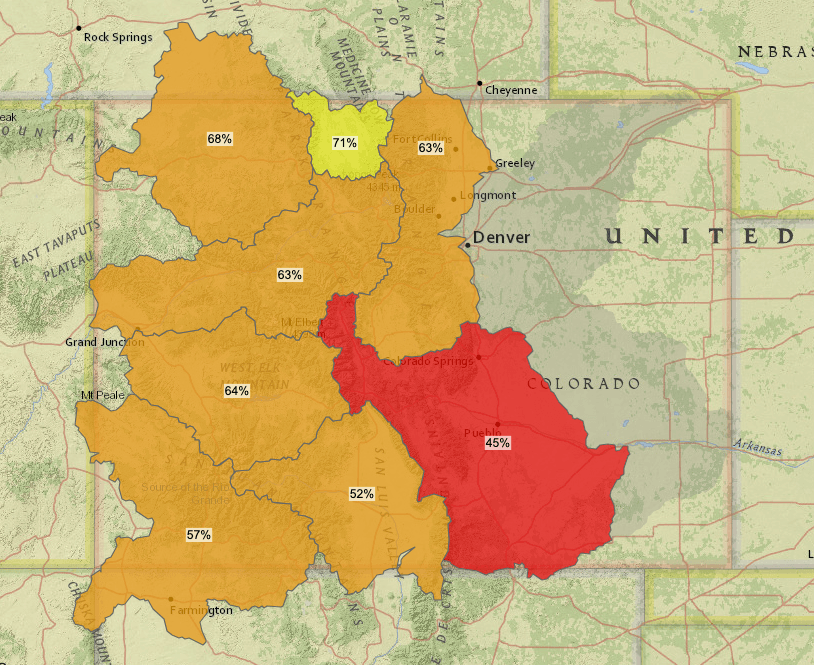
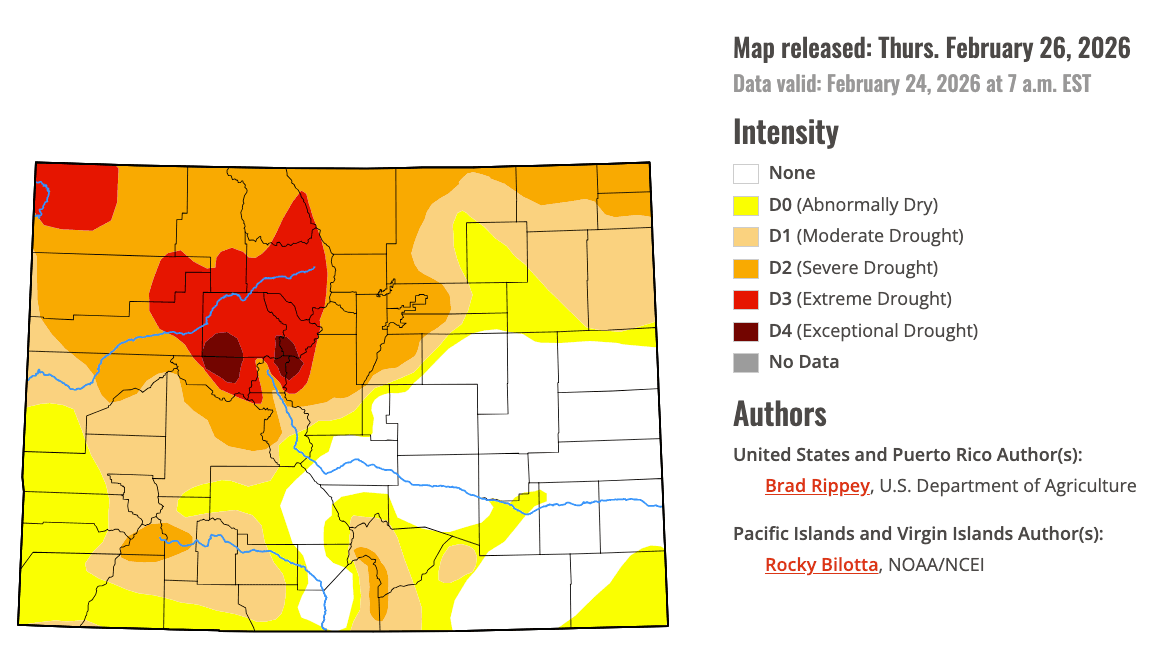
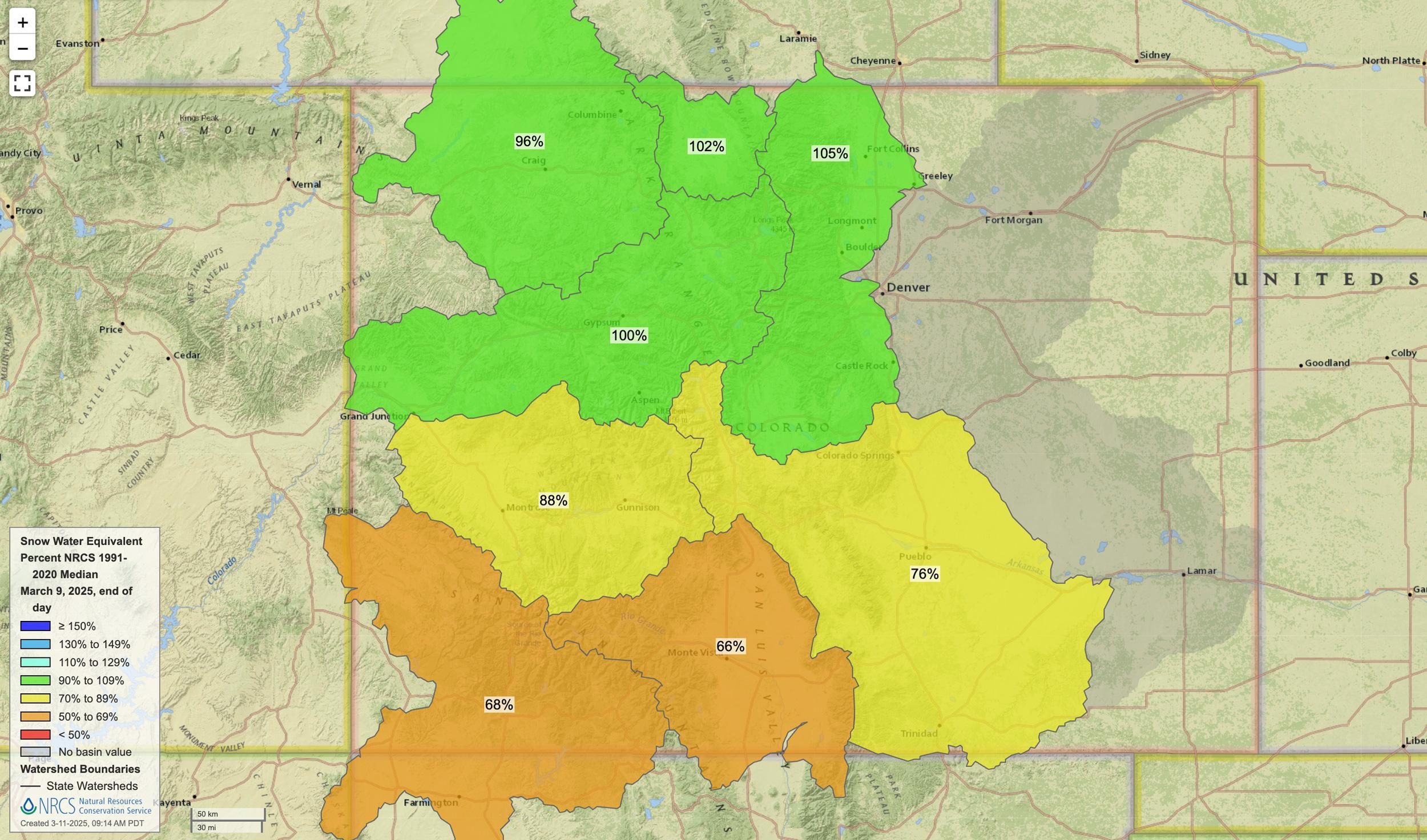
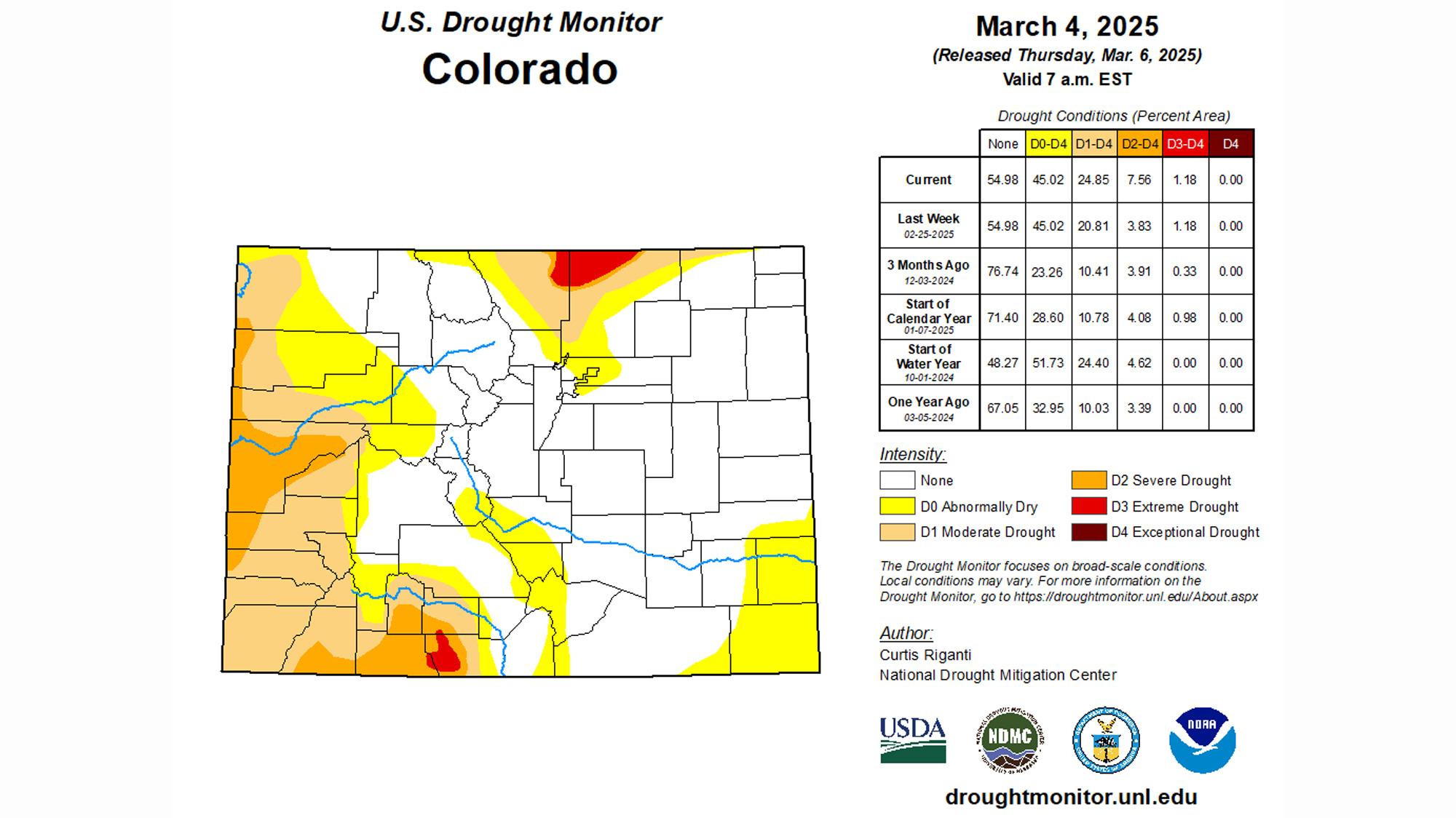
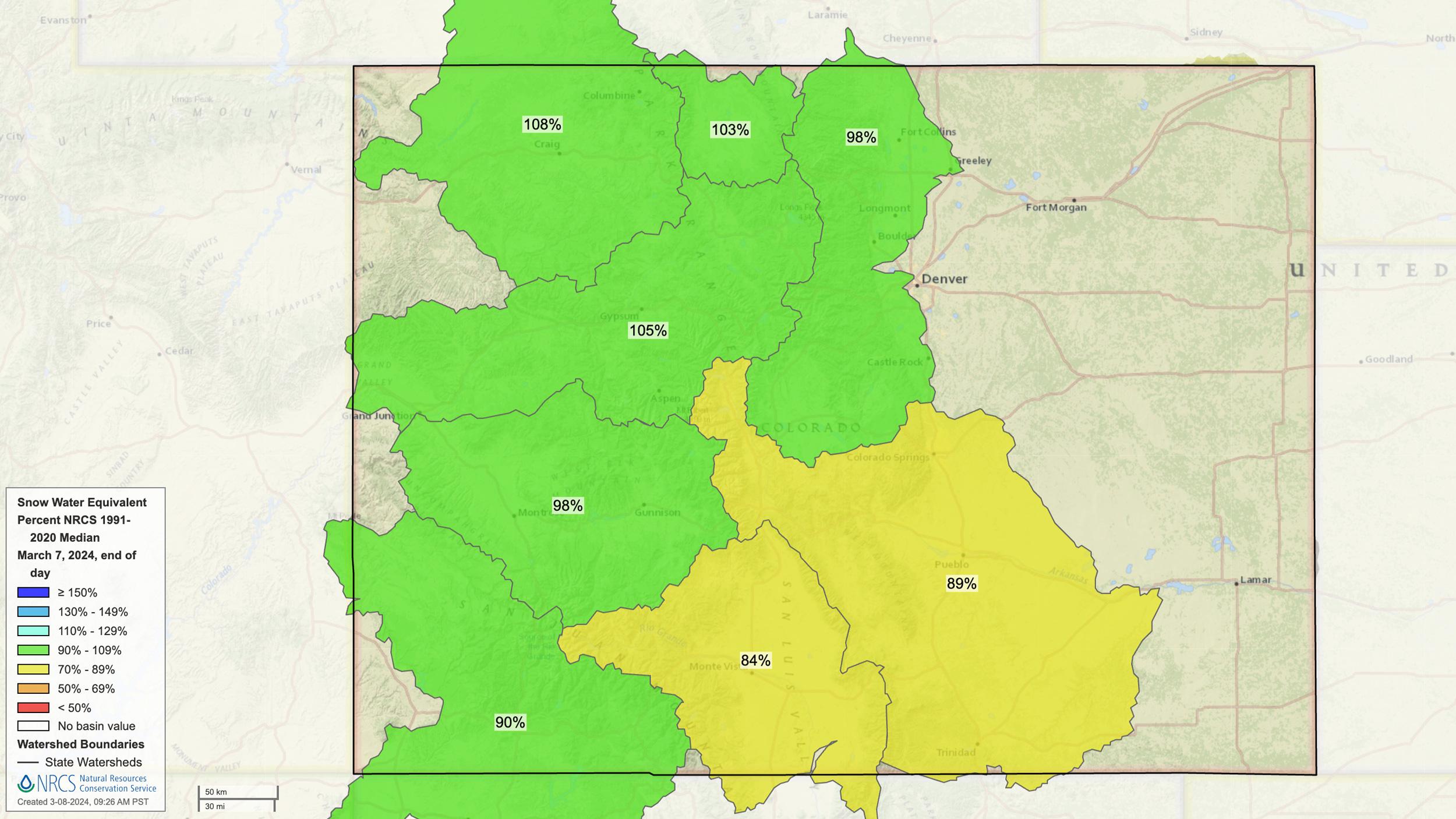
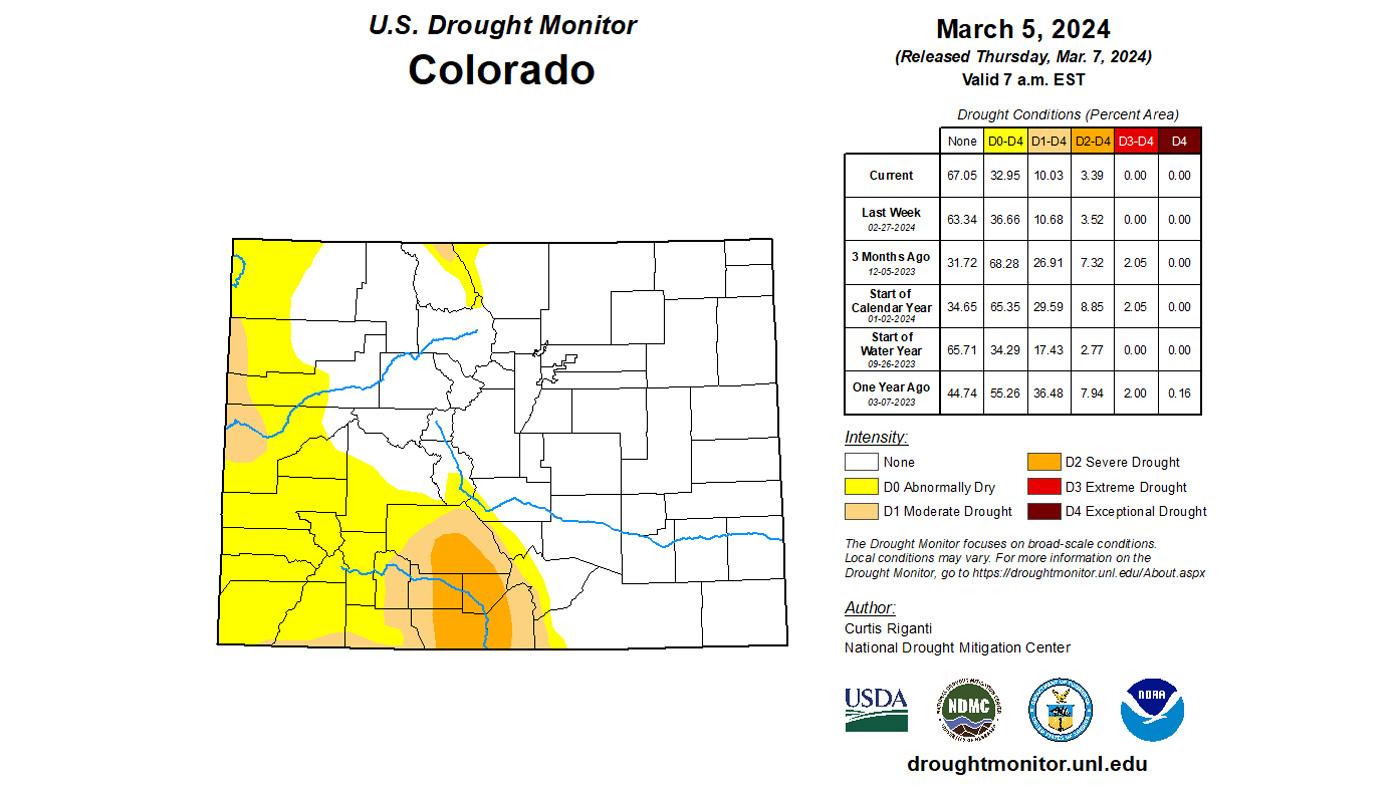
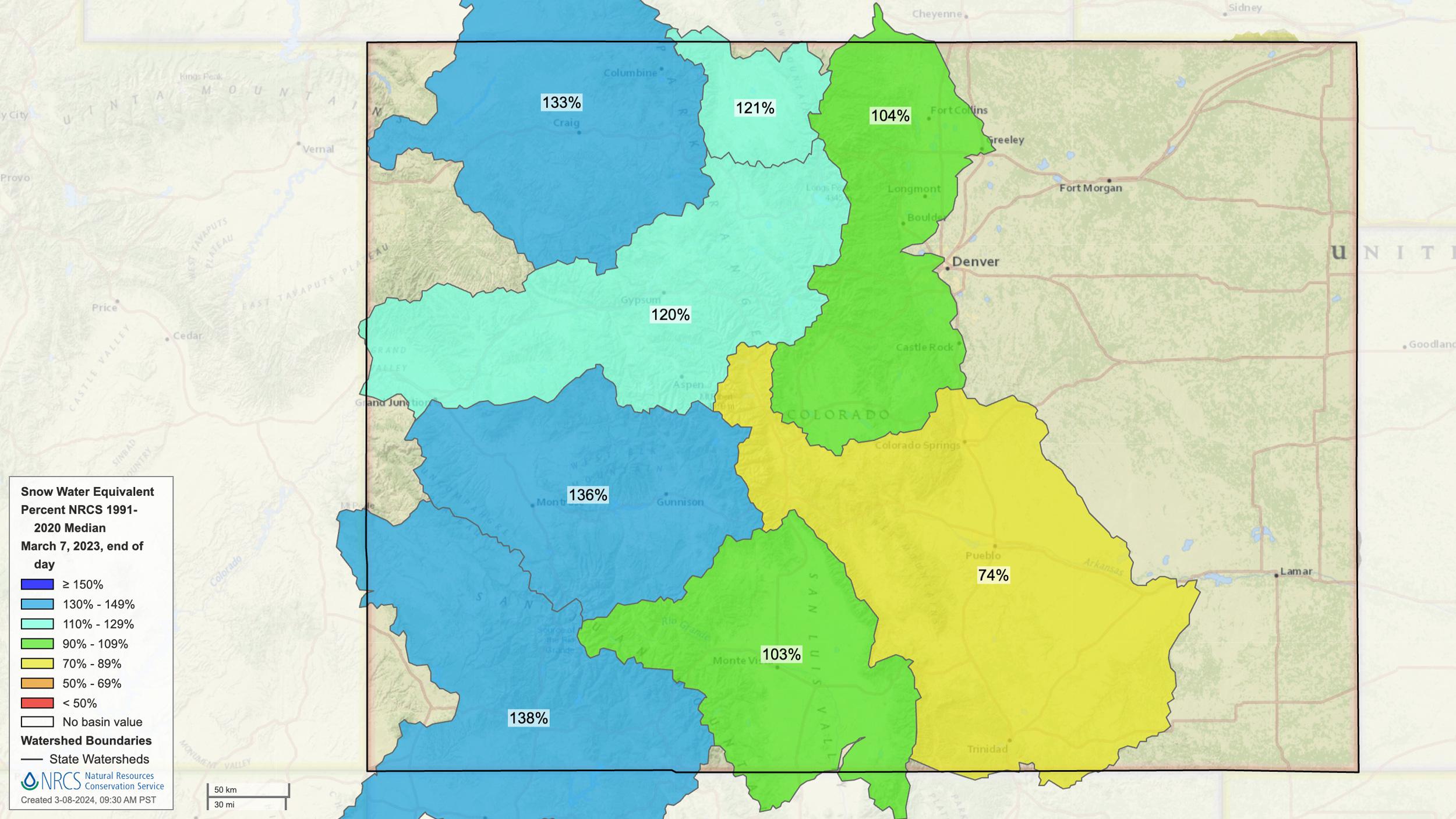
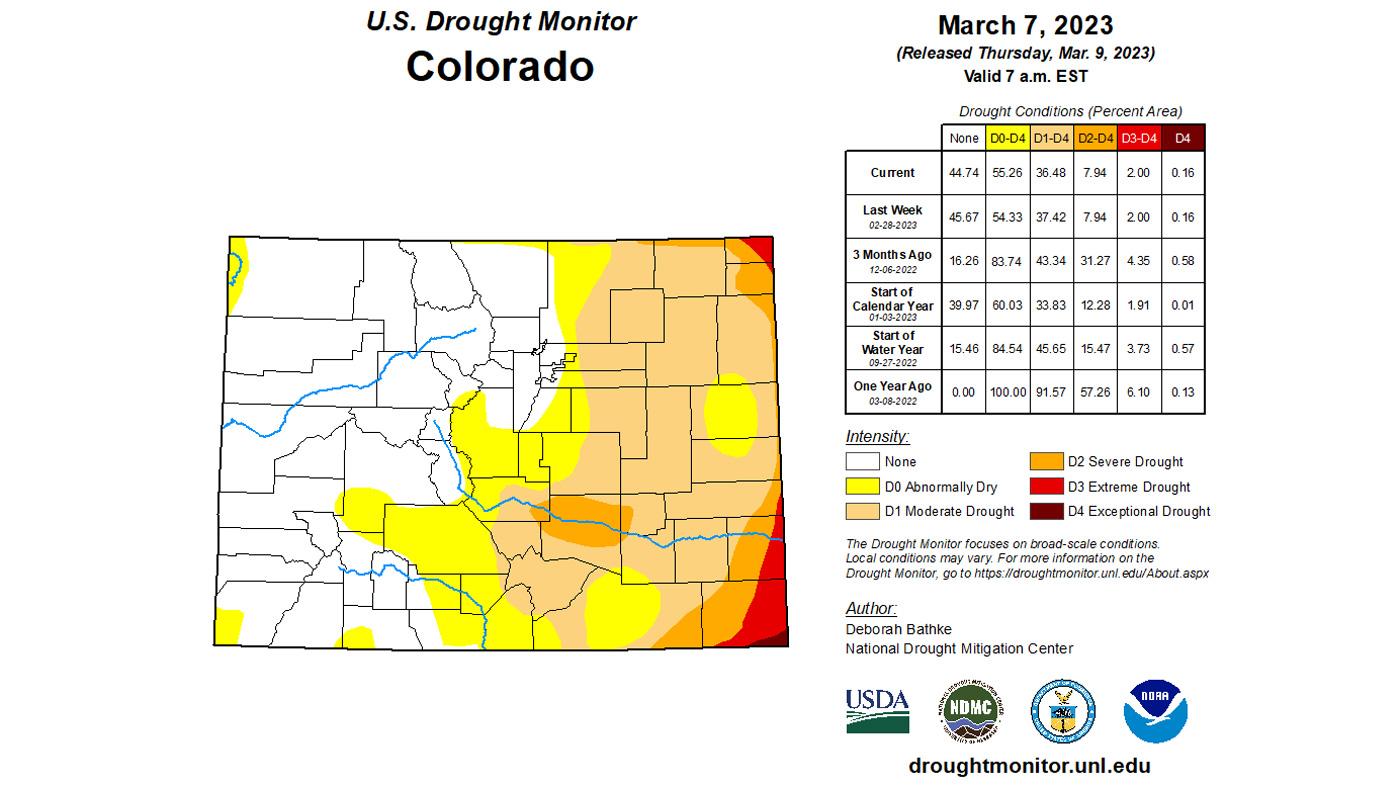
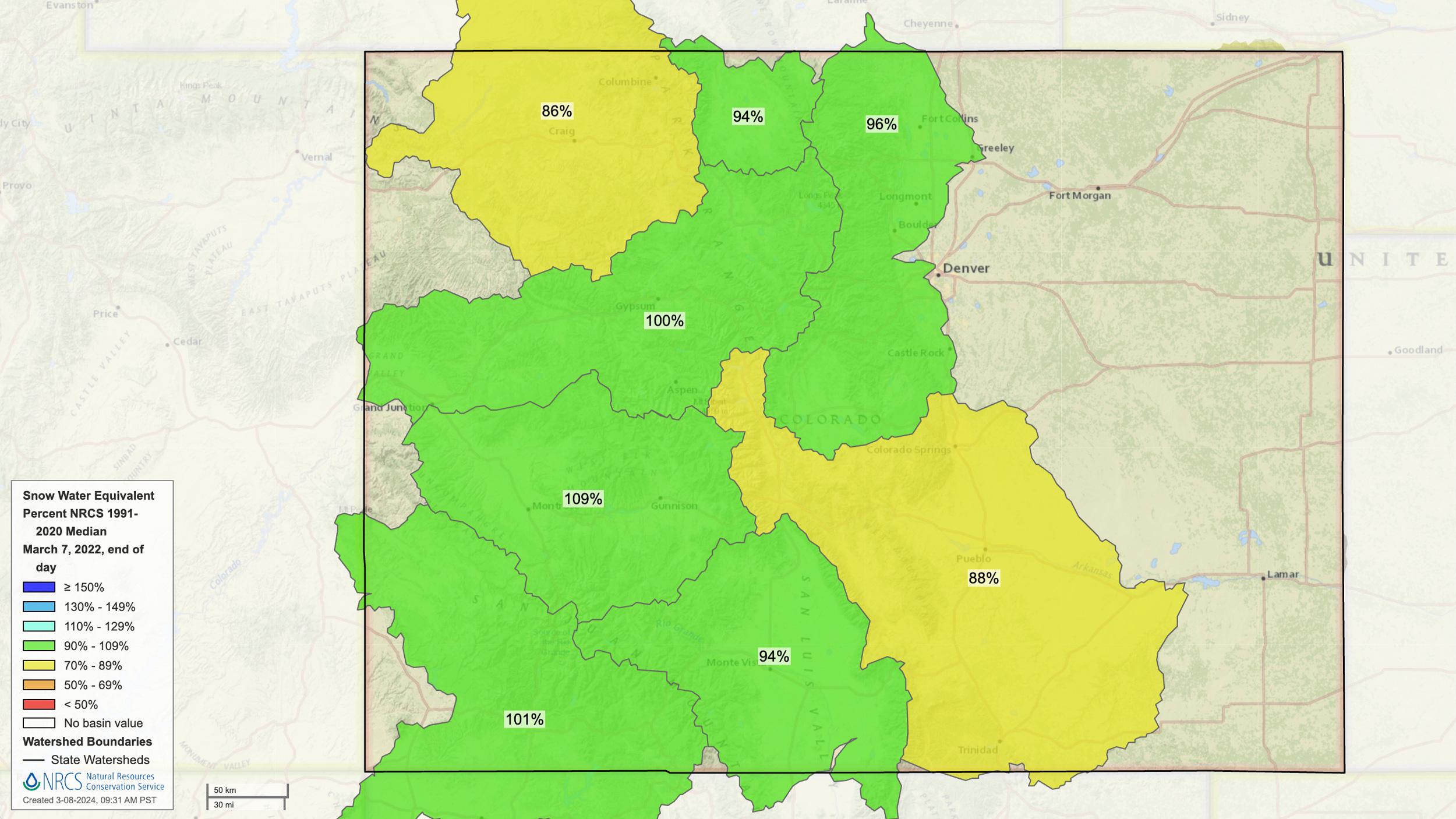
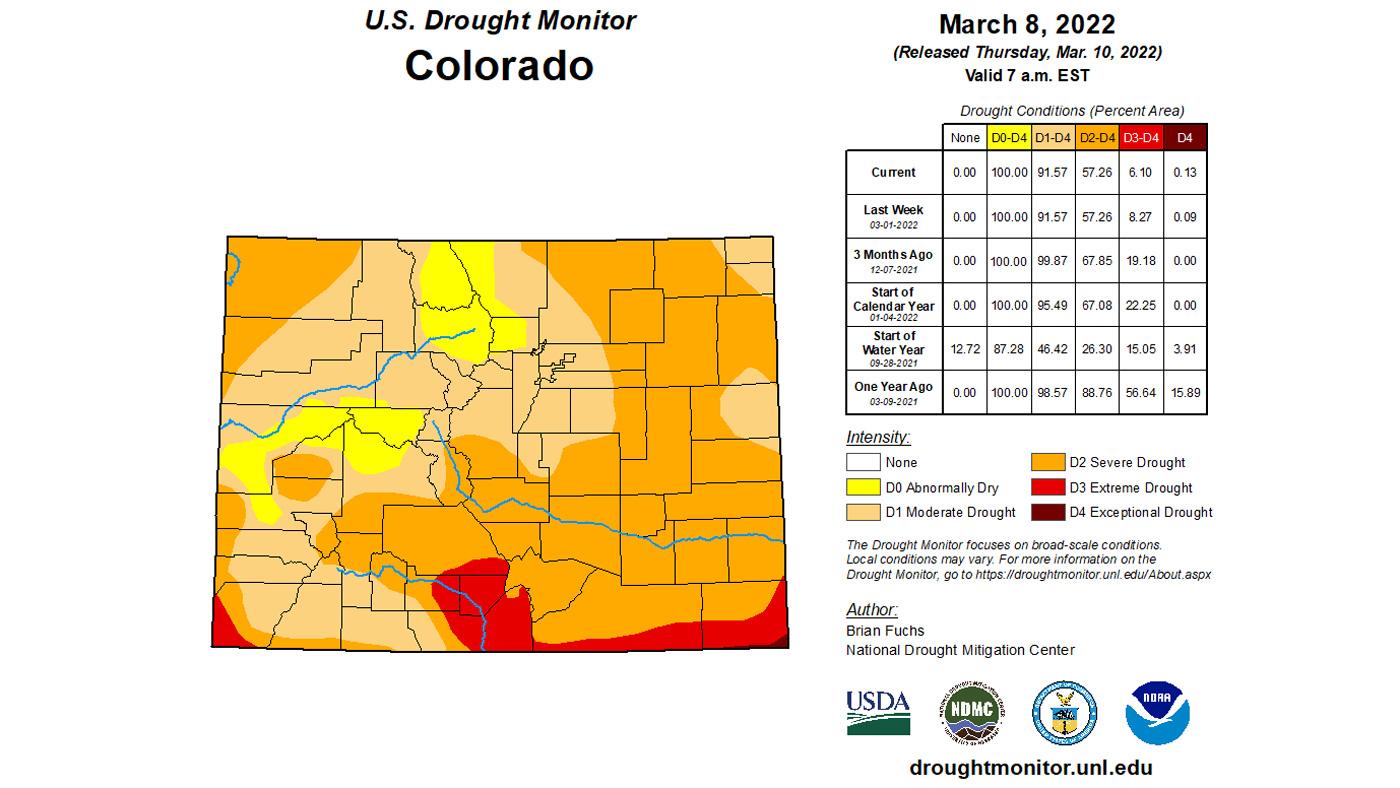
Be sure to check out this great article to learn about tracking snowpack and drought.
2026
2025
2024
2023
2022
Colorado is home to the largest elk herd in the country, with a population exceeding 300,000 animals. That abundance creates consistent, high-opportunity hunting across the state. It also remains one of the only states offering truly unlimited OTC rifle elk licenses. A great tactic to employ here is for hopeful applicants to plan to enter the draw, and if unsuccessful, take advantage of OTC opportunities to ensure they are still in the field this fall.
In terms of trophy quality, Colorado does not generally compare to neighboring states like Arizona, Nevada, Utah, or New Mexico. It is best viewed as an opportunity-driven elk state rather than a trophy-focused destination. Even so, bulls exceeding 340” are harvested every year, and quality bulls can be found in both draw and OTC units. With such a large overall population, Colorado maintains a solid age structure, allowing some bulls to reach older age classes and respectable antler size
We recommend applying periodically while continuing to build points, but being realistic about expectations. Many of the most difficult-to-draw units require years of points and often do not offer a return on investment that makes sense for most hunters.
When hunters think about elk hunting in the Rocky Mountains, Colorado is often at the forefront — and for good reason. The combination of herd size, access, and opportunity makes it a state worth hunting on a consistent basis.
The current Colorado elk population has grown slightly, according to the most recent 2024 surveyed data, with a current total of 308,610 animals — up a small amount from 303,390 in 2024. Colorado manages their herds in different Data Analysis Units (DAU) with the various units placed in unit groups. The following tables will give you the estimated populations and bull:cow ratios for the top DAUs and the units within each group.
Note: 2024 data was used as the 2025 data wasn't available at the time of publishing.
The top elk units in Colorado are well-known. They have high draw odds and consistently produce some great bulls. While they may not quite compare to the top units in Arizona or Utah, these Colorado units still deliver impressive bulls each year. One thing to pay attention to when reviewing standalone Draw Odds is the comparison between the "early" or rut seasons and the post-rut seasons. Even with the best units, draw odds can fluctuate significantly. If you're open to it, you might be able to cut down the wait time and jump into a later season in one of these top units.
*Unit 851 Bosque Del Oso WA is a 30,000-acre state wildlife area (SWA). Annually, elk move off of the adjacent private lands and winter on the SWA. The third and fourth rifle seasons here offer very good low pressure hunts for great bulls. There are other hunts, too, but the better hunts are later in the season.
Hidden gems can mean different things to different people. For some, it might refer to an opportunity they weren’t aware of or an off-the-radar unit that produces a certain caliber of animal — sometimes, it's a mix of both.
No matter how you define it, the tools in your Insider account can help you find these hidden opportunities. Colorado elk hunting offers so many options that you could almost throw a dart and hit a great opportunity. Options are available for OTC every year, but there are also a lot of hunts available at 0 points or even as a second choice. While researching hunts and units, be sure to pay close attention to harvest success rates, hunter numbers, public land percentages, and how they all interact with each other.
Reminder: Colorado’s draw system allows applicants to draw hunts as a second choice and still retain and build a point for the year. This means you could go hunting while still earning a preference point for the following year. One advantage of these hunts over some OTC options is that the number of licenses is limited, so there’s generally less hunting pressure.
2026 maximum preference points for elk: 40
Colorado is a great state to consider for elk hunting, but it’s important for hunters to stay realistic about what their point can actually do for them. A common mistake is building points for hunts that are unlikely to ever be drawn or holding points longer than necessary. Establishing a clear strategy early can pay big dividends by helping you maximize the number of tags you hold over the course of your hunting career.
With the anticipated 2028 draw changes, many hunters are planning to burn their points within the next couple of years to either exit the system or start over. Because of this, several hunts have already seen point creep of one or two points, and applicants should plan accordingly. For example, if you currently have eight points, you may need to focus on hunts that required seven points in the 2025 draw.
For hunters in the 0–8 point range, there are still several solid options to consider. These are not necessarily trophy-focused hunts, though they may offer better odds of encountering a mature bull. Instead, think of them as opportunities to escape some hunting pressure and enjoy a more quality elk hunting experience. Success will still require hard hunting and solid effort in the field.
Beyond that point range, the number of realistic options quickly becomes more limited. Hunters can find themselves in a difficult position where they have enough points to easily draw hunts below their level, but not enough for the next tier of hunts. With the coming 2028 changes, the point requirements for the top-tier hunts are expected to rise significantly, which could make this gap even more pronounced.
If you are sitting on a higher point total and want to get the most value from them, it may be wise to consider using them this year or the next.
Colorado may not be known as a trophy state for antelope, though a few true trophy bucks are harvested each year. The largest bucks in most units typically fall in the 70” to 75” range. If you're focused primarily on trophy potential, you might want to consider other states like New Mexico, Montana, or Wyoming. However, Colorado offers decent draw odds for antelope, and the cost to apply is low, especially if you're already applying for other species. Simply put, it's another opportunity to consider.
One unique aspect of Colorado's antelope hunting is the diverse terrain and the areas you'll hunt in. While the eastern part of the state is typically flat, agricultural brush country, much of the western part transitions into more mountainous terrain.
Note: 2024 data was used as the 2025 data wasn't available at the time of publishing.
Colorado provides limited quota hunts for archery, muzzleloader, and rifle antelope. When reviewing Filtering and Draw Odds, you'll see that rifle hunts usually require significantly more points to draw compared to archery and muzzleloader hunts. Opting for one of the primitive weapon types might give you a better chance at securing a permit.
While Colorado may not be a premier destination for trophy antelope, I strongly recommend applying and building points at the very least. It's a solid antelope state and could be a great option when the timing is right for your schedule.
I would suggest that you spend time looking at GOHUNT Maps and reviewing the public land and access before applying. Typically, draw odds for antelope are closely tied to the amount of public land. The more public land, or BLM land, the harder it is to draw and vice versa.
2026 maximum preference points for antelope: 38
Forest Service Closure (Unit 74): There will be a Forest Service closure on Hermosa Park Rd. (FS 578) from Sept. 8–Oct. 13, 2026, which will affect access to a major portion of GMU 74
Elk over-the-counter and nonresident archery hunts added in GMUs 59, 511, 581 & 591
Second and third-season rifle bull elk licenses in GMUs 54, 55 & 551 moved from unlimited over-the-counter to limited
Antler point restrictions removed in GMU 82
Cow licenses in GMUs 44, 45, 47 & 444 moved from list A to list B
Reminder: Nonresident archery elk licenses:
Nonresidents can no longer buy over-the-counter archery elk licenses for GMUs west of I-25 and GMU 140
Limited hunt codes for nonresident archery elk west of I-25 are available in the draw.
Save unit seasons in Filtering
Never lose track of units you want to further research
Rank seasons
Can help decide what unit to apply for or what order to place your units when applying on a state's website
Compare seasons (up to three at a time)
Save the filter settings you used in Filtering to find a great hunt
Add notes to your research folder under season level or hunt folder level
And much more!
The deadline to apply for all species in Colorado is 8:00 p.m. MT on April 7, 2026.
You can apply online here or by calling 1-800-244-5613.
Draw results will be available roughly from May 26 to 29, 2026.
All applicants, including youth, must purchase a qualifying license before applying for the big game draw(s).
Qualifying licenses:
Annual licenses (valid March 1 to 31):
Annual resident and nonresident small game
Annual resident combination small game/fishing
Annual resident senior combination small game/fishing
Resident and nonresident spring turkey (over-the-counter (OTC) turkey licenses on sale March 1)
Resident and nonresident fall turkey (valid for the secondary draw only)
Resident veteran lifetime combination small game/fishing
Resident first responder lifetime combination small game/fishing
Annual small game license for resident
Senior lifetime fishing license holders
Applicants do not have to front the cost of the licenses that they are applying for.
Applicants born after Jan. 1, 1949 must have completed an approved hunter’s education course before applying and they must carry their hunter’s education card with them while they hunt.
Hunters over the age of 50 or military personnel who have not completed hunter’s education can take a one-time online test to test out. The cost is $34.95, and you must pass with 90%.
Colorado is a true preference point state for elk and antelope. The applicants with the most points who apply for any given hunt will draw the permit.
If you draw a permit and CPW is unable to charge the credit card on file, you must pay for the license online or by phone or at a CPW office by June 14. If you do not, your license is surrendered, and you lose both the license and any preference points you used to draw it.
If you draw a license you would like to return, you will have a window of time when you can decline the license if you do not want it. If you choose to keep it, payment will be charged to the card used to apply.
You can also return a license you drew for a refund or preference point restoration. You must relinquish your license and carcass tag at least 30 days before the opening day of the season for which the license is valid.